




Despite mounting competitive pressure and a handful of high-profile transactions, consolidation within the European asset management industry remains limited, according to a new Morningstar report, Consolidation in the European asset management industry.
The research, which analyses mergers and acquisitions among Europe’s 100 largest asset managers, finds that most firms continue to favour organic growth over transformational M&A.
While some market headlines suggest a wave of consolidation, the underlying data tells a more nuanced story. The majority of M&A activity in Europe consists of smaller bolt-on acquisitions rather than large-scale mergers.
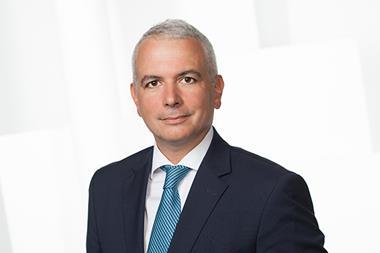
“The European asset management industry faces growing competitive pressure, including from large, scale-driven US firms. While high-profile transactions, such as BNP Paribas’ acquisition of AXA Investment Managers, and Natixis Investment Managers’ planned merger with Generali Investments, might create the impression of accelerated consolidation in asset management, our analysis of M&A activity among Europe’s leading asset managers tells a different story,” said Monika Calay, director of UK manager research at Morningstar.
“Consolidation in Europe remains limited, with most firms favouring organic growth – expanding product offerings, capabilities, and operational efficiency – over M&A,” she added.
Selective and opportunistic
The study categorises firms into three strategic profiles: “Organic Growers” (55 firms), “Consolidators” (28 firms), and “Opportunistic Acquirers” (16 firms).
Consolidation remains a selective and opportunistic strategy, not a dominant trend, said Calay. Organic growth – via product expansion, efficiency gains, and capability-building – continues to be the primary path forward for many asset managers, she added.
Morningstar’s research raises questions about the benefits of consolidation for investors. The report found no material performance advantage across firms that pursue M&A compared with those that grow organically.
Moreover, potential cost savings have not consistently translated into lower fees.
Passive product pricing has largely converged across strategic groups due to intense market competition, while fee differences in active funds were influenced more by product mix and brand positioning than by scale.
Integration challenges
The report also highlights five key integration challenges that often hinder the success of asset-management mergers: cultural misalignment, leadership complexity, talent attrition, product rationalisation, and the risk of “scale drag”.
These factors, it argues, can distract senior leaders from investment performance – a risk that Morningstar analysts account for when assigning Parent Pillar ratings. Firms that rely on organic growth were more likely to receive higher Parent Pillar ratings, reflecting a more investor-friendly culture and operational focus.
The study cites three major mergers – Amundi, Janus Henderson, and Aberdeen – as case studies illustrating the mixed results of consolidation. While Amundi experienced positive flows post-merger, Janus Henderson and Aberdeen suffered persistent outflows and eventually wrote down merger-related goodwill.
Looking ahead, Morningstar sees innovation, digital transformation, and personalisation as more promising levers of competitiveness than consolidation.
“Selective consolidation may continue, but agile, client-focused growth strategies are likely better positioned to shape the industry’s future,” Calay concluded.
Read the digital edition of IPE’s latest magazine