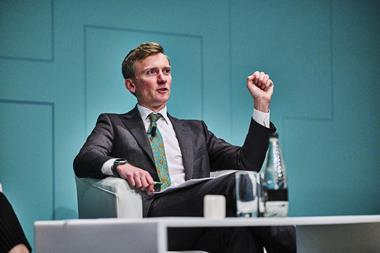
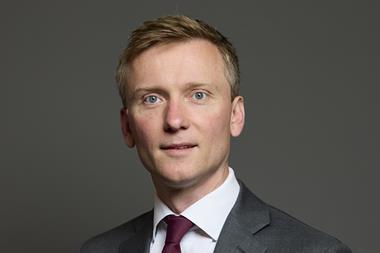
Pensions UK held its first annual conference under its new brand in Manchester last week, bringing together policymakers, regulators and industry leaders to debate the future of UK retirement provision.
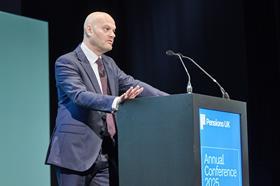
Across three days of discussion, the agenda focused on adequacy, consolidation and regulation.
In his opening address, chief executive officer Julian Mund reassured delegates that despite the name change, the organisation’s mission remains unchanged – helping people achieve better retirement outcomes – with strategy focused on being “2030 Ready”.
Pensions Commission
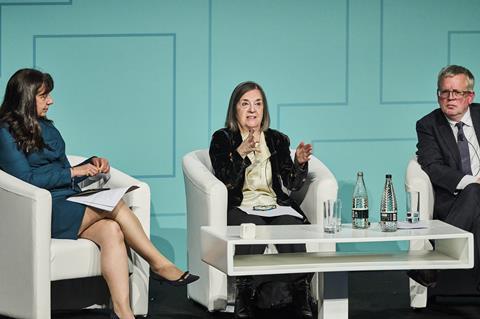
The first panel introduced the newly formed Pensions Commission, led by Jeannie Drake and Nick Pearce, which will assess adequacy, fairness and sustainability in the UK pension system. The Commission aims to deliver an interim report in spring 2026 that builds on the legacy of the Turner Commission.
Pearce reflected on that legacy, noting its success in expanding auto-enrolment and reducing pensioner poverty. He said the new body would take a similarly “clear, calm and methodical” approach to reform.
Drake said the strength of past reforms lay in their “delivery and durability”, adding that the previous commission “went through three governments – Labour, Coalition and Conservative – and survived because there was flexibility around implementation and a shared commitment to a cross-system solution”.
Pension Schemes Bill
A packed session on the Pension Schemes Bill explored the next stages of the legislation and its implications for pension funds and trustees.
Lizzy Holliday of NOW Pensions described the Bill as a “framework bill”, explaining that much of the operational detail will follow in secondary legislation. “There’s some elements of regulations that are really key for business and schemes to be able to plan for, to deliver implementation,” she said.
One critical element, she noted, is the scale requirement for pension funds to reach £25bn by 2030. Clarity on definitions, investment strategies and default arrangements will be “key” for schemes deciding how to meet this target.
Adequacy dominated the closing session of the day. Joanne Segars, chair of NOW Pensions, warned that default contribution rates risk misleading savers, particularly median earners “who may assume they’re on track for a comfortable retirement”.

A little less conversation…
The most anticipated session came from pensions minister Torsten Bell, who used his keynote to thank the industry for its engagement with the Pensions Investment Review, Pension Schemes Bill and new commission – declaring that pensions policy is finally moving from “talking” to “doing”.
Bell described pensions as a “vocation”, prompting mixed reactions from the audience. “The pensions industry is full of heroes, and we need pension heroes,” he said, adding: “Pensions are a vocation we should recognise, celebrate and deliver on.”
LCP partner and former pensions minister Steve Webb challenged Bell on the threat of ‘mandation’. “During the oral evidence sessions on the Pension Schemes Bill, your normal charm dropped when you were challenged on ‘mandation’ and became a bit tetchy […] Do you understand why people in pensions who do indeed have a ‘vocation’ and want the best for members don’t want government threatening to overrule their judgement?”
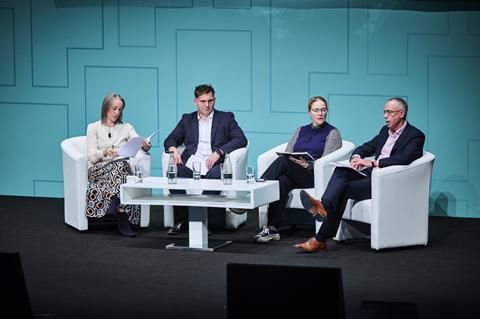
Bell countered that while the industry calls for change, “in private” it cites “collective action problems” that make reform difficult in practice. He insisted that his powers are “not as extreme as ‘comply or explain’,” jokingly calling Webb’s proposal “dangerous communism” and urging the industry to “chillax” and get on with delivery.
Consolidation
The final day examined how to make consolidation work in practice.
Jamie Fiveash, CEO of Smart Pension, called for a streamlined licensing-style regime to speed up consolidation and help smaller schemes manage costs, but warned against losing market dynamism.
“There’s some new entrants into the DC space that have made positive change […] I’d hate for us not to see new entrants in the pensions space,” he said.
David Lane, CEO of TPT Retirement Solutions, took a more optimistic view, arguing that a sufficiently large and competitive market would still drive innovation.
Across three days, one message stood out: the pensions industry is ready to lead. From adequacy to consolidation, the conversation has clearly shifted from vision to delivery – or, as Bell put it, from “talking” to “doing”.
Read the digital edition of IPE’s latest magazine