



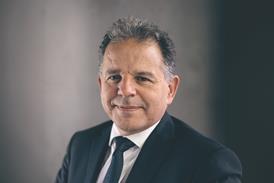


Sweden’s AP2 has appointed Patrik Svensson as its next chief executive officer, with the top Nordea banker set to replace the fund’s current CEO Eva Halvarsson next June.
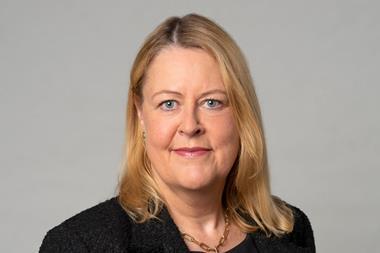
The Gothenburg-based buffer fund in Sweden’s first pillar income pension system announced a year ago that Halvarsson, who has led AP2 for 20 years, would retire.
Niklas Johansson, chair of AP2, said yesterday: “Patrik Svensson has the experience, expertise and leadership qualities required to lead AP2 forward and continue developing the organisation, with a focus on long-term returns, responsibility and AP2’s important role in the pension system.”
Svensson is currently head of business banking west and head of business banking real estate Sweden at Nordea, and a member of the board of Nordea Life & Pension Sweden, according to his LinkedIn profile.
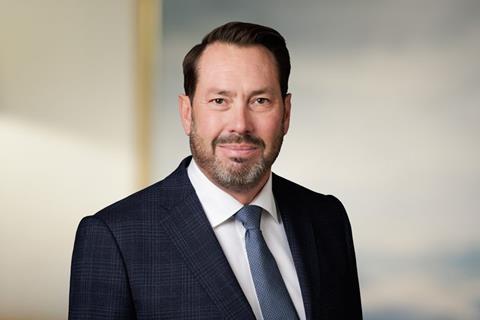
Listing his relevant experience, AP2 said Svensson had more than 25 years of experience in the financial sector, including 20 years in leadership roles, as well as “extensive experience of capital markets, risk management and organisational development”.
It also cited Svensson’s board experience, including in the life insurance and pensions sector.
In a post on LinkedIn, Svensson said of his upcoming new job: “Having the opportunity to contribute to a mission with real significance for society and future generations feels both inspiring and meaningful.”
With SEK550.5bn (€49.8bn) under management at the end of June, AP2 is now the smallest of the three remaining national pensions buffer funds, following the reform which took effect at the end of 2025.
AP2’s mid-June asset total includes SEK31.8bn transferred from specialist private equity buffer fund AP6 when the latter was closed as part of the reform.
The Gothenburg fund will also gradually absorb the remaining two-thirds of AP6’s investments, which are being managed separately in a transition portfolio until their respective liquidation dates.
However, AP2 will remain considerably smaller than its Stockholm-based peers AP3 and AP4, which split the assets of the now defunct AP1 between them, and held SEK891bn and SEK885bn respectively at the end of June.