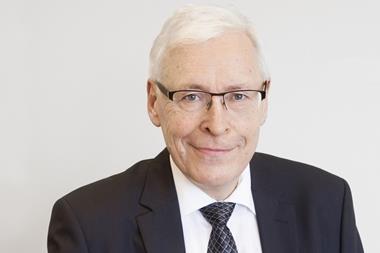
The debate about weakening earnings-related pensions in Finland is driven more by pressures on state finances than by problems within the pension system itself, according to Mikko Kautto, managing director, Finnish Centre for Pension (Eläketurvakeskus, ETK).
In a recent blog post, Kautto argued that proposals to reduce pensions are not based on high contribution levels, overly generous benefits, or financial stress in the pension scheme. Instead, he wrote, the discussion is “driven above all by poorly managed state finances.”
Kautto said pension cuts are increasingly justified as a way to create fiscal space elsewhere.
“Further reductions in earnings-related pension protection are justified on the grounds that cutting people’s pension security would make it possible to lower employment pension contributions and create room for higher taxation.”
However, he questioned the link between pension cuts, contribution levels, and taxation. The TyEL (the Finnish earnings-related pension) contribution for private-sector employees has stayed roughly the same for over a decade, and governments with varying fiscal policies have not treated it as a constraint on the overall tax ratio.
It has been proposed that savings from pension expenditure should fund public health and social care services. Kautto noted this would depend on political decisions: “As a political choice, it would be equally possible to reduce the tax ratio or to channel pension savings to other needs.”
He also highlighted the system’s complexity. While cutting public-sector pension expenditure would affect government finances directly, about two-thirds of earnings-related pension expenditure comes from the private sector and is paid by pension insurance companies.

“A reduction in pension expenditure paid by pension insurance companies does not automatically translate into a reduction in the TyEL contribution, as this is decided separately,” Kautto explained.
Beyond fiscal mechanics, Kautto stressed broader economic consequences. “Cutting pensions would result in a lower average pension level. Lower earnings-related pensions would generate less tax revenue. This could lead to a more cautious approach to saving and consumption.”
The reform before parliament suggests keeping contributions at their present level until 2030 to strengthen funding. Kautto sees this as confirmation that maintaining the current contribution level is compatible with long-term financing.
Kautto also addressed fairness arguments. “The argument is that, since other areas of social security have been cut, pensions should also be cut,” he wrote, noting cuts are often justified in terms of intergenerational fairness.
Such reasoning, he argued, shifts the debate to political priorities.
“Questions about the relative importance of basic social security, health and social care services and pensions, or about fairness between population groups and generations, are fundamentally matters of value judgements and political priorities for decision-makers.”
While the current government isn’t seeking further reductions, Kautto said the next government will shape how the issue evolves.