German pension fund associations have backed an initiative aimed at increasing domestic investment in venture capital.
In June, 24 venture capital firms launched the German Venture & Growth Forum (GVGF).
According to the founding members, institutional investors in Germany manage around €2.8trn in assets but, based on Invest Europe figures, invest an average of just €400m a year in European venture and growth funds.
The GVGF estimates that a 2% allocation to venture capital would unlock around €15bn a year for start-ups.
The occupational pensions association aba told IPE in a statement that the initiative provides a basis for dialogue between institutional investors, venture capital firms and policymakers.
Aba said it and its members are ready to work with the initiative on changes to regulatory, tax and structural frameworks to increase the share of venture capital in the portfolios of many IORPs.
As long-term investors managing substantial assets, German IORPs and other pension institutions could, in principle, play a greater role in increasing venture capital allocations, without being required to do so, aba added.
Similarly, the German association of municipal and church pension schemes, Arbeitsgemeinschaft kommunale und kirchliche Altersversorgung (AKA), told IPE that initiatives such as the GVGF could help expand opportunities for venture capital investment in both Germany and Europe.

Channelling more strategic investment capital to support innovation across Europe is important, AKA said.
Unlocking more capital for innovation requires improving framework conditions, removing structural bottlenecks, and further developing European capital markets, said Roberto Cruccolini, AKA’s head of department for investment and regulation.
However, AKA stressed that decisions on investment strategy and implementation must remain with pension institutions.
“Politically motivated interference in the investment allocation of pension institutions must be rejected. The issue could evolve, extending beyond venture capital to include other asset classes in the future,” Cruccolini said.
The association of first-pillar pension funds for professionals, ABV, said in a statement that establishing contacts with the GVGF could prove beneficial, but it firmly rejects “state-directed control of investments”.
Playbook for venture capital investment
German pension funds invest only a small proportion of their assets in venture capital, which aba described as an attractive but challenging asset class because of its risks, illiquidity and valuation uncertainties.
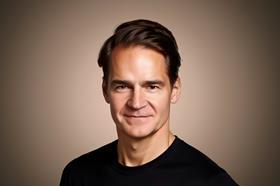
Christian Nagel, co-founder and partner at venture capital firm Earlybird, one of the 24 firms behind the GVGF initiative, told IPE that pension funds need confidence that venture capital is a legitimate institutional asset class, alongside access to high-quality managers and a clear implementation framework.
To support this, the initiative has published a playbook, developed with limited partners and investment experts, providing a roadmap for professionally managed venture capital investment programmes.
Nagel said future discussions with pension funds are expected to focus on the role of venture capital within strategic asset allocation while addressing common concerns around risk, illiquidity and regulation.
Further discussions are likely to cover portfolio construction and diversification, investing through fund-of-funds, single-fund or co-investment structures, and sharing best practice from leading international pension funds and endowments that have integrated venture capital into their portfolios, he added.
Tanja Emmerling, partner at High-Tech Gründerfonds, another member of the GVGF initiative, said venture capital investment could help drive a new “economic miracle” in Germany as the country experiences a prolonged period of economic stagnation.
“The prerequisites are there. Now it is about to act”, she said.