
Denmark’s new governing coalition has promised to set up a task force to bolster opportunities for institutional investors in startups as part of its new programme – a plan welcomed by the pensions sector despite a lack of detail.
The idea is laid out in the policy document published last week by the new government of Social Democrat Prime Minister Mette Frederiksen, and in the wide-ranging programme sits alongside a raft of measures to boost business, including an entrepreneurship package to facilitate access to capital, improve the use of employee incentives and limit tax barriers.
Among the initiatives for business, the four-party coalition said it would: “Establish a working group to highlight barriers to institutional investors’ ability to invest in SMEs and startups and make recommendations to promote investment opportunities.”
Insurance & Pension Denmark (IPD) said the government’s framework had a clear focus on strengthening conditions for business – both when it came to removing administrative burdens and investing in the energy infrastructure crucial for Denmark’s green transition, and the lobby group listed the working group plan as another positive element.
A spokesman for the industry association told IPE that little information was yet available on the working group’s composition or plans, nor who would be involved — whether pension funds, institutional investors or others.
Commenting on the programme overall, IPD said the plan from the new “four-leaf clover government” – which has taken two months to form following a bad showing for the leading Social Democrats in March’s snap general election — had “many roses and a few thistles”.
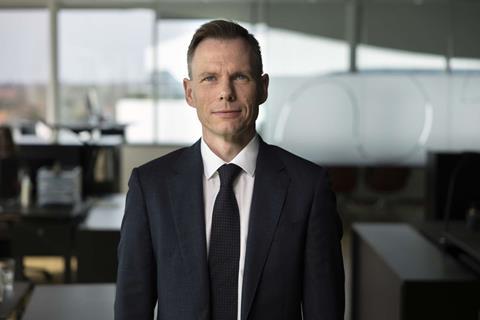
Chief executive officer Kent Damsgaard said the government had been wise to propose a tripartite agreement as the basis of its proposed “Welfare Settlement 2.0” initiative on labour-market conditions, because involving workers, employers and the government would ensure all adjustments were made “on a well-informed and solid basis”.
However, IPD said it was annoyed that the special tax on the insurance and pension industry seemed to be continuing.
“It is a tax that makes it more expensive for Danes to create security for their homes, finances and families, so I would strongly urge the removal of the special tax when the government tackles corporate tax,” Damsgaard noted.
The government has said it will shave three percentage points off corporate tax over three years.
IPD welcomed the plan to allow payments from instalment pensions (ratepensioner) to be paused if individuals return to work, and to extend the pension payment age to five years before state pension age — two proposals the group said it had long worked for.
It also greeted the plan to establish a fund (Forebyggelsesfond) to back investments in ill-health prevention to boost healthy lives and keep more people in work, saying prevention had never before been so central to a government programme.
“We’re seeing more and more Danes losing their ability to work, so there’s a difficult and important shared task here,” Damsgaard said.