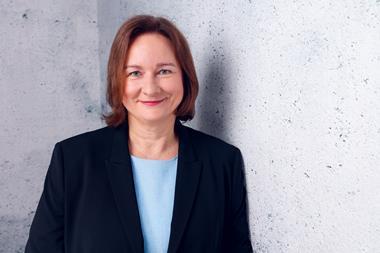

PenSam has weighed into the Danish election-time debate on pensions reform, by proposing a change in the way ATP contributions are calculated in order to redress what it says are built-in imbalances in Denmark’s pension system.
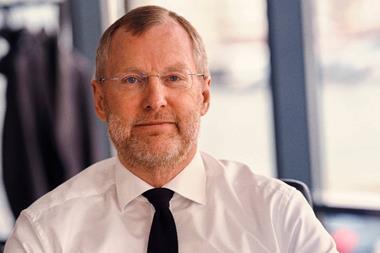
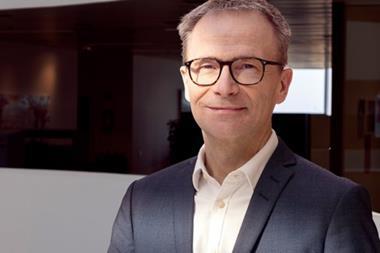
Torsten Fels, chief executive officer of the DKK220bn (€29.4bn) pension fund for public-sector health and social care workers, and Mona Striib, federal chair of FOA – the trade union behind PenSam – said an increasing number or Danish people were having to retire early due to ill health as a result of physically demanding and high-stress jobs, with some professions affected more than others.
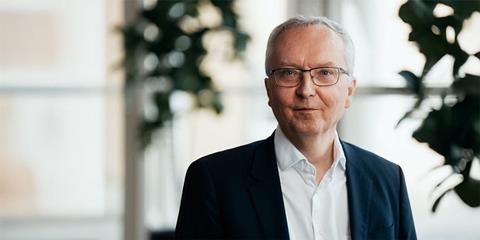
Fels and Strib said that, for example, health and social-care workers were 12 times more likely to be forced into early retirement for health reasons than doctors.
“When many in the same professional groups end their working life on early retirement, it has a collective consequence: a larger proportion of pension contributions go towards financing insurance benefits rather than savings,” the pair wrote, adding that this resulted in lower pensions for those professional groups that already had the lowest level of savings.
The PenSam and FOA leaders said, in an opinion piece in Danish labour-market news website A4 Beskæftigelse, that this created a structural imbalance between professional groups.
“Therefore, we are pointing to a concrete and realistic solution: an equalisation scheme within the ATP contribution, which currently redistributes to the professional groups that live the longest,” they said.
Fels told IPE that as things stand, the contribution to the ATP scheme – the statutory labour-market supplementary scheme to which all Danish workers contribute – is partially linked to working hours.
“This means that professional groups with more part-time work – often for health or work environment reasons – overall have lower ATP savings, while at the same time having a significantly higher risk of early retirement,” he said.
“With an equalisation model, where everyone contributes a fixed amount, the basic coverage is increased for those groups who have shorter working lives, are at greater risk of becoming worn out through work, and have lower pension savings,” he said.
Fels and Strib said pensions had been a central theme in the election campaign in Denmark, with political parties having presented proposals that ranged widely – from expanding the senior pension to freezing or easing the retirement age.
“Now the election is over, and a new government must set the direction for how the pension system should develop in the coming years,” they said.
Despite disagreements over pensions during the election campaign, they said there was a common starting point, namely “the recognition that the pension system today contains built-in imbalances that require political action”.
In the wake of the general election held on 24 March, Denmark remains in a state of uncertainty regarding its future government, as caretaker prime minister Mette Frederiksen, whose Social Democrat party lost nearly a quarter of its parliamentary seats, tries to build a coalition.