
The Swedish Pensions Group – a panel of politicians from all parties that sets pensions policy – has finally agreed a change in the way the income pension works, which will allow excess surpluses that build up in the system to be distributed to pensioners.
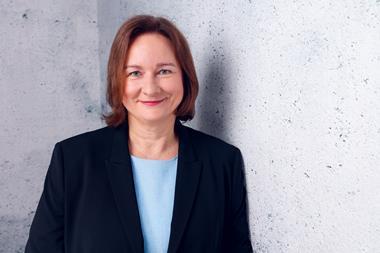
Anna Tenje, minister for the older people and social security, said: “I am very pleased to announce that we in the pensions group have jointly supported the introduction of an accelerator in the pension system, something that has been discussed for a long time.
“This will mean more money in the wallets of today’s and tomorrow’s pensioners,” said Tenje, who leads the pensions group.
The government described the decision as “historic” in the announcement on Tuesday.
Currently, the income pension – the main component of the state pension in Sweden, which operates on a pay-as-you-go basis in conjunction with the five AP buffer funds – has a considerable surplus which is expected to balloon even further.
However, while the system has a mechanism for dealing with deficits – the activation of the pension“brake” whereby pensions are not increased in line with the general income trend as normal, and could even be reduced — there is no provision for using a surplus.
The government said the rules around the brake were meant to keep the pension system financially stable in the long term and make sure debt was not passed on to future generations.
“In recent years, the finances have stabilised and there is now a surplus in the income pension system instead,” it said.
Some surplus was needed in the system, but it should not be unnecessarily large without pensioners and pension savers benefiting, the government said.
“The decision to increase the pension system is both about taking responsibility for Sweden’s economy, while at the same time giving pensioners more money in their wallets,” the ministry said.
The group agreed that distribution of surpluses should be made when the balance ratio exceeded 1.15 – i.e. when assets in the system exceeded liabilities by more than 15% – and also decided that the state would write off the remaining debt in the pension system, which stemmed from the pension reform in the late 1990s.
The plan is for the new rules on distributing surpluses as dividends to apply from 1 January 2027.
Back in May, the Swedish pensions agency produced a very long-term analysis of the income pension system, concluding that even in the most pessimistic scenario, it would remain in surplus over the next 75 years.
On 31 December 2024, the surplus amounted to SEK1.9trn (€171bn), up SEK585bn from the year before, with a balance ratio of 1.1695.
Read the digital edition of IPE’s latest magazine