






COP31, the UN climate summit, opened yesterday, with Türkiye holding the presidency and Australia leading negotiations.
For asset owners reviewing their net-zero commitments, key questions include who will bear the risks of financing climate projects, whether governments and development banks can turn pledges into investable opportunities, and how adaptation funding could mitigate physical risks across existing portfolios.
Turkey and Australia, both heavily reliant on coal, have proposed increasing electricity’s share of global final energy consumption from 23% to 35% by 2035. However, the proposal leaves countries free to determine how the additional electricity is generated, raising concerns that it could prolong fossil fuel use. For infrastructure investors, rising electricity demand also highlights the need for substantial investment in grid upgrades.
At COP30 in Belém, Brazil, last year, governments failed to agree on a commitment to transition away from fossil fuels.
Meanwhile, at biodiversity COP17 in Yerevan, Armenia, the first global stocktake found that the world is off track to meet its 2030 targets. Governments adopted the Yerevan Pathway, calling for faster reform of environmentally harmful subsidies and stronger reporting requirements.
Nearly $2bn (€1.7bn) in new funding was announced, with further negotiations on permanent financing expected at COP18. The Asian Development Bank also issued a roughly $50m three-year biodiversity bond and launched a bond incubator.
These developments come as investors gain a new framework for tackling deforestation risks in their portfolios.
In the UK, draft guidance from the Department for Work and Pensions calls on pension trustees to consider climate change and biodiversity loss where financially material, including assessing risks that could affect entire markets and economies. The consultation opened on 5 November.
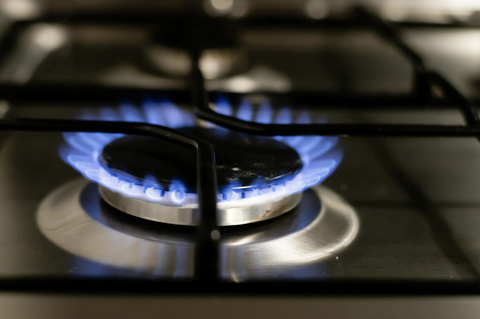
Meanwhile, in Brussels, EU governments have backed a one-year delay to several requirements under the bloc’s methane regulation. The European Parliament has supported longer postponements for some provisions, leaving the two sides to negotiate a final agreement.
Eric Pedersen of Nordea Asset Management told IPE that delaying the rules would do little to ease energy prices.
An investor statement urging policymakers to retain the original timetable and core provisions has now attracted 60 signatories representing more than €9.5trn in assets.
Items to note:
- The IPE Conference & Awards 2026 is taking place on 2 December at the Royal College of Physicians & Natural History Museum in London.
- Norges Bank Investment Management (NBIM) has called on the European Financial Reporting Advisory Group (EFRAG) to make it easier for non-EU groups to reuse disclosures prepared under International Sustainability Standards Board (ISSB) standards.
Krystle Higgins
Sustainable Finance Correspondent
This newsletter was emailed to readers earlier in the week. If you would like to receive it regularly, on your IPE profile, go to My Newsletters and select any from the list.