





UK pension trustees should consider climate change and biodiversity loss where they are financially material to their schemes, according to draft guidance published by the government.
The Department for Work and Pensions (DWP) launched a consultation on the draft guidance on 5 November, setting out how existing fiduciary and related duties apply to investment decisions.
It identifies “climate change, nature loss and biodiversity decline” as factors that can affect risk and returns over time, and says some risks need to be assessed across markets and economies as a whole.
The DWP cites the Financial Markets Law Committee’s 2024 work on fiduciary duty and climate risk as part of the background to the consultation.
The committee examined how financial factors can affect individual investments, portfolios and entire economies. The DWP’s draft addresses similar questions, setting out how trustees can consider systemic risks in investment decisions and stewardship.
The guidance has been broadly welcomed by the industry as a potentially significant development for trustee boards navigating the relationship between responsible investment and their duty to act in members’ best interests.
James Alexander, chief executive officer of the UK Sustainable Investment and Finance Association (UKSIF), welcomed the consultation. UKSIF was part of the technical working group, chaired by Robin Knowles, that helped shape the draft.
“Systemic risks, such as climate change and biodiversity loss, can have significant implications for long-term investment outcomes,” Alexander said.
The draft says trustees should consider investment managers’ stewardship performance, both in terms of activity and outcomes, when appointing them and monitoring and reviewing their performance.
It also says working with other investors can be a more effective and proportionate way to address some systemic risks. Trustees may also consider engaging with policymakers where an issue is financially material and the engagement is appropriate, proportionate and cost-effective.
Retirement outcomes
Some industry representatives have called for the framework to go further.
Claire Brinn, senior UK policy manager at ShareAction and a member of the technical working group, welcomed the clarification on long-term and systemic risks. However, she said ShareAction wanted the law strengthened so trustees could take account of members’ views and consider how investment decisions might affect their standard of living in retirement, as well as the size of their pension pots.
The draft says trustees may take future living costs into account where they reasonably conclude there is a credible link between an investment decision and members’ retirement outcomes.
Claire Jones, head of responsible investment at LCP, said the draft supported the consultancy’s long-standing call for clarity on how trustees can take a longer-term view and consider system-level implications in investment decisions.
“For several years, we have been calling for greater clarity that pension trustees can take a longer-term view and consider system-level implications when making investment decisions, so it is encouraging that the draft guidance supports this position,” said Jones.
“We recognise that fiduciary duties are a complex topic and that opinions differ across the UK pensions industry,” she added.
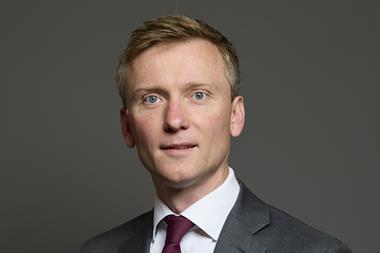
In December 2025, pensions minister Torsten Bell said he intended to bring forward legislation to enable statutory guidance on fiduciary duty, citing the need for clarity on systemic risks and members’ living standards.
The current draft is non-statutory. The DWP said it would consider putting the guidance on a statutory footing when a suitable legislative opportunity arises.
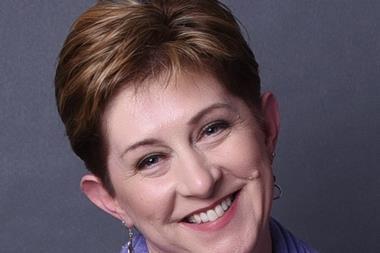
Faith Ward has argued that pension trustees should judge investment decisions by how well they help schemes meet their promises to members over decades, even if this means accepting higher costs or lower returns in the short term.
Ward chairs the Institutional Investors Group on Climate Change (IIGCC), advises LPPI and People’s Pension as a senior strategic adviser, and serves on the advisory board of The Clean Growth Fund.
The consultation closes on 28 January 2027.


Topics
- Asset Allocation
- Asset Managers
- biodiversity
- Climate change
- climate risk
- Corporate governance
- Department for Work & Pensions (DWP)
- ESG
- fiduciary duty
- Impact
- Institutional Investors Group on Climate Change (IIGCC)
- Investor Strategy
- LCP
- Legislation
- nature
- Pension System
- Reform & Regulation
- ShareAction
- Sustainability
- UK Sustainable Investment and Finance Association (UKSIF)
- United Kingdom