





Germany’s nuclear waste management fund Kenfo has backed plans to introduce a Swedish-style capital-funded element to the country’s first pillar pension system, arguing that it is well placed to manage the proposed default fund.
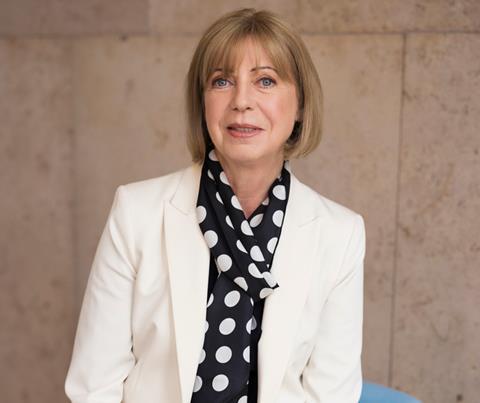
Kenfo chief executive officer and chief investment officer Anja Mikus said establishing a vehicle similar to Sweden’s AP7 within the first pillar would be “a very important step”.
Under proposals submitted by Germany’s pension commission to the government in June, a default fund modelled on AP7 would receive contributions invested in capital markets.
Kenfo and Deutsche Bank are the two organisations identified so far as having the asset management expertise to run the proposed default fund.
“We are ready to take over the management of the capital-funded first pillar”, Mikus told IPE.
Kenfo would “present its expertise and conceptual ideas” in the event of an asset manager selection process, she said.
“The state founded Kenfo to act as a professional investor to finance long-term obligations and invest in the capital market,” she added.
Although Kenfo already has the structure and investment team required to manage assets, Mikus said it was “important” to understand what additional responsibilities would be set out in legislation for managing a reformed first pillar.
“The team could grow slightly, depending on the investment policy, but in any case we will manage the capital-funded first pillar at costs in line with the level seen in Sweden,” Mikus continued.
Independent governance
Mikus argued that, as with Kenfo, the manager of the proposed capital-funded first pillar should be fully independent.
Kenfo’s board of trustees (Kuratorium) includes representatives from political parties in the Bundestag, as well as the ministries of finance, economic affairs and energy, and environment.
Its primary role is oversight, while investment specialists are responsible for asset allocation.
“We manage the assets with a clear return target. There is no political influence and there is a broad governance at Kenfo,” Mikus said.
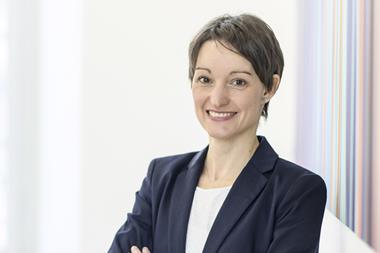
Head of asset allocation Marc-Gregor Czaja noted that Sweden’s pension funds are able to invest in private markets.
“They do so, but purely from a return perspective and are free from political influences. This is the decisive factor for the success of such a model,” he added.
Kenfo can allocate up to 30% of its assets to private markets, with the investment team deciding how capital is deployed across asset classes, Mikus said.
Broad investment approach
According to Kenfo’s 2025 financial statements, published last week, the largest allocation within its €26bn portfolio is to government and corporate bonds (42.1%), followed by equities (35.1%), with the remainder invested in private markets and REITs.
“Already today we invest in all asset classes, and we have the expertise that we can scale up,” Czaja said.
According to Mikus, a long-term portfolio for a capital-funded first pillar should be broadly diversified, with a higher allocation to equities in the early years before gradually increasing bond exposure from around age 55 to de-risk portfolios in line with a lifecycle approach.









.jpg)