





Regulatory requirements are contributing to the consolidation of Switzerland’s pension fund market while potentially creating barriers to competition and innovation, according to industry experts.
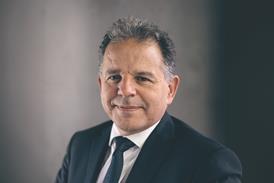
André Tapernoux, board member of the Schweizerische Kammer der Pensionskassen-Experten, expects further consolidation as increasing regulatory demands pose particular challenges for smaller pension funds.
At the same time, he said, greater regulation leads to more standardisation, which can reduce competition and innovation.
“The potential consequences of additional regulation are becoming apparent among members who are offered fewer and fewer options for risk coverage, while premiums are on the rise,” Tapernoux said.
This indirectly affects smaller pension funds, which face higher costs associated with death and disability risks, he added.
The number of pension funds in Switzerland is steadily declining, while multi-employer schemes – known as Sammel- und Gemeinschaftseinrichtungen – are gaining market share at the expense of smaller funds.
In response, occupational pension supervisor OAK BV is paying closer attention to governance, management structures and potential conflicts of interest at multi-employer pension funds as their assets under management and membership grow.
It is “crucial that competition does not come at the expense of financial stability or the interests of the members”, the regulator said in a statement.
OAK BV’s guidelines respond to developments and structural shifts in the pension landscape, taking into account the different structures, complexity and risk profiles of pension funds, as well as the consolidation process and its associated risks.
Meeting regulatory requirements can entail additional personnel, organisational and financial costs, particularly for smaller pension funds, potentially accelerating consolidation, the regulator added.

Generally, we do not view regulation as a driver of innovation
Multi-employer pension funds can benefit from the advantages of larger organisations, including lower costs and greater professionalism, according to OAK BV.
The economic advantages of larger entities, combined with the increasing complexity of occupational pension provision, are also contributing to this “structural change”, it said.
The tipping point question
The Swiss pension fund market may have reached a “systemic tipping point” at which the “marginal stability gains” from further regulation are outweighed by its negative effects on competition and innovation, according to a paper published by multi-employer pension association inter-pension.
The paper identified several “potential side effects” of intensive regulation, including smaller schemes being squeezed out of the market, pension funds being diverted from their core mission to focus on regulatory compliance, and risks being shifted within the system rather than eliminated.
However, Andreas Rothacher, head of investment research at Complementa, said there was not currently a “flood of regulations”.
In some areas, new scope for action was being created. He cited the treatment of infrastructure as a separate asset class under occupational pension legislation as an example.
Other factors influencing consolidation include human resources, expertise, administrative costs, investment management expenses and technological requirements, Rothacher said.
Regulation can also generate additional costs for larger pension funds.
“Generally, we do not view regulation as a driver of innovation,” he added.