




Border to Coast Pensions Partnership, the £120bn (€139bn) local government pension scheme asset pool, has refined its definition of engagement in a move that will dramatically reduce the volume of engagement activity it records.
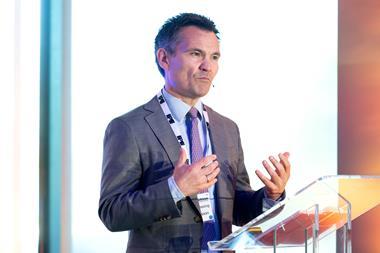
Speaking at IPE’s recent Transition conference, Colin Baines, stewardship manager at the newly enlarged pooling company, explained that the new definition requires there to be a “point of difference” with a company and an effort to “either change behaviour or secure new disclosures” in order for interaction to count as engagement.
He said that for some of its asset managers, the new definition could mean that Border to Coast wouldn’t consider them to be doing any engagement at all.
This was because often the engagement was aimed at improving a manager’s understanding of a company rather than changing its behaviours.
“While seeking as much information as you can to make investment decisions is important, it’s more part of day-to-day investment management than they are part of stewardship,” Baines said.
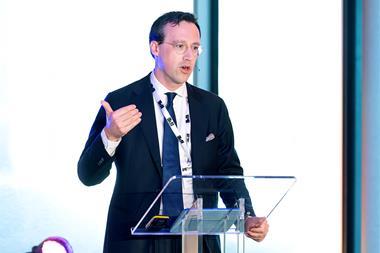
Also speaking at the conference, Caroline Escott, head of investment stewardship and co-head of sustainable ownership at Railpen in the UK, said stewardship is at a crossroads, with shareholder protections and rights being dismantled or at risk.
Asset owners needed to be creative given that the tools they traditionally used were being diluted “and in some cases taken out of our hands altogether”, she argued.
She said that investors, as much as they were able, needed to be more vocal and increasingly engage in public policy.
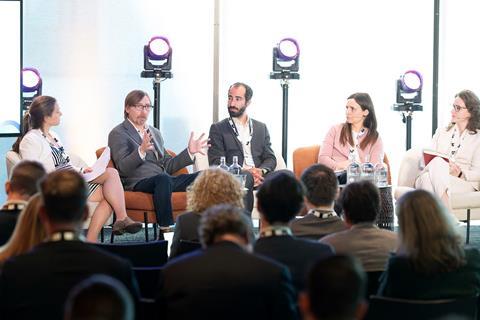
“We need to be increasingly proactive to shape the framework that determines what kinds of rights and responsibilities we have as owners of capital,’ she said. “We need to stand up and be heard, both by companies and policymakers.”
Other asset owners on the panel also set out ways in which their organisations are adjusting their stewardship approaches and expectations in light of regulatory moves weakening shareholder influence.
Rikke Jacobsen, head of ESG at AkademikerPension in Denmark, spoke of “a new world order” with “new threats but also new opportunities”.
“We are progressive but also a pragmatic investor so in that sense we understand that a company operating in a global context is subject to different pressures,” she said.
However, she said that the legal environment was “an opportunity that we’re looking into” as a way of holding companies to account for how they’re operating.