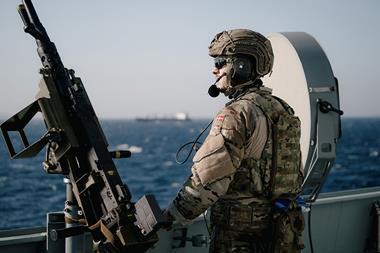

Defence exposure has increased significantly across European sustainable fund categories over the past year, with a pronounced climb of nearly 60% among funds disclosed as Article 8 under the Sustainable Finance Disclosure Regulation (SFDR), according to research by ClarityAI.
Measured as the per cent of portfolio weight, average defence exposure in Article 8 European equity funds rose from 0.9% in the final quarter of 2024 to 1.42% by the end of 2025, according to the firm.
Article 6-disclosing funds remain the most exposed, with armament-producing companies accounting for an average of 1.75% in early 2024, rising to 2.52% by the end of 2025.
Article 9 funds, the most restrictive category, have also recorded a gradual rise in exposure over the same period, ClarityAI found.
Many asset managers and asset owners have been busy revising investment policies regarding defence. According to reports this week, JP Morgan Asset Management has lifted defence exclusions on more than 100 funds, informing investors in a shareholder notice that the conventional weapons threshold had been removed “in response to client expectations relating to defence preparedness”.
ClarityAI noted that the data about fund defence exposure indicate the most pronounced changes occurred from early 2025 onwards, pointing to a structural shift rather than short-term adjustments.
Multiple factors in play
Several factors appear to be contributing to the increasing share of defence-related companies in sustainable fund portfolios, according to ClarityAI. These include market-driven effects, such as rising valuations of defence-related companies in market-capitalisation-weighted portfolios and active investment decisions, the firm said.
These dynamics were unfolding against a backdrop of heightened geopolitical tensions, ongoing armed conflicts, and rising defence spending commitments across Europe, as well as policy initiatives aimed at strengthening Europe’s defence capabilities, it added.
In addition, it said that the European Commission last year provided various clarifications that investment in defence is compatible with the EU sustainable finance framework, helping to reduce regulatory and reputational ambiguity.
“The right to defence and the need for stability as a prerequisite for sustainable societies are increasingly being invoked to justify the inclusion of armament-producing companies within sustainable investment products,” said Patricia Pina, Clarity AI’s chief research officer.
“For investors choosing to include defence within their sustainability definitions, strong governance, rigorous human rights and end-use due diligence, and continuous controversy monitoring are critical to managing reputational risk and aligning with global standards for responsible business conduct.”