

- Latest
- Countries
- Reports
- Pension Funds
- Investment
 Barings CEO Michael Freno: "The private credit opportunity extends well beyond direct lending"
 Investors prepare for future equity markets, IPOs, and challenging governance models
 M&G Investments' Joseph Pinto pinpoints partnerships and the insurance win-win
 Ann Prendergast, State Street IM: “Policymakers today see us in a different light”
- AI
- Research
- Events
- Podcasts
- Membership Options



Financial systems must be reimagined to protect nature, says ‘historic’ report
By  Sophie Robinson-Tillett2026-02-11T09:45:00
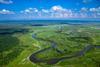
Aviva’s Thomas Viegas says assessment ‘highlights that while nature underpins all economic activity, biodiversity and ecosystem services are in steep decline’
Already a registered user or member? Sign in here
To continue reading, register free today for access
Registration also includes access to


Five reasons to register today
- Access to IPE articles from our award-winning editorial team
- Unique IPE market data, rankings and tables
- In-depth interviews with pension fund leaders
- Extensive coverage of latest asset class trends
- Comprehensive archive of data, research and intelligence


Copyright © 1997–2026 IPE International Publishers Limited, Registered in England, Reg No. 3233596, VAT No. 685 1784 92. Registered Office: 1 Kentish Buildings, 125 Borough High Street, London SE1 1NP

Site powered by Webvision Cloud