Analysis of a sample of 100 among the largest funds in AUM terms shows broadly stable asset allocation
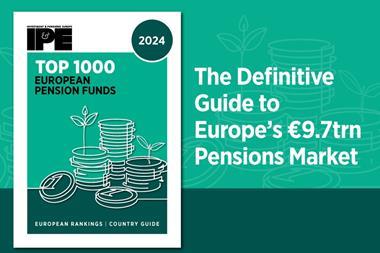
European pension funds have seen their allocations to alternative assets and their exposure to derivatives decrease over the past year, according to the IPE Top 1000 European Pension Funds 2026 study.
IPE’s flagship study, due to be released in full tomorrow (2nd September), shows that asset allocations have remained broadly stable since last year.
This is based on a sample of 100 among the largest European pension funds in terms of assets under management, representing more than €6trn in assets.
Across the sample, the average allocation to key asset classes such as equities, fixed income and credit and real estate remain broadly unchanged.
Owing to high levels of uncertainty on the trajectory of inflation and economic growth, pension funds seem to have maintained a cautious attitude and postponed deferred significant changes to strategic asset allocation models.
However, there has been a decrease of 120 basis points in the average allocation to alternatives, from 19% last year to 17.8% in this year’s study.
The ‘other’ category also shows a one-percentage point increase to 6.1%.
While definitions of alternative assets vary across the sample, most pension funds place investments like private equity and infrastructure in this broad category. When not indicated otherwise, alternatives often fall into the ‘other’ category.
The decrease suggests pension funds have kept their alternatives investment programmes in place, but, as expected, the valuation of alternative portfolios did not keep pace with the strong performance of listed equity markets last year.
The average exposure to derivatives has decreased by more than two percentage points, from 2.5% in last year’s study, to 0.4% this year. This is likely due to pension funds reviewing their hedging strategies in a higher-for-longer interest rate environment.
At the same time, the transition to new pension system in the Netherlands, which foresees a huge shift from defined benefit (DB) to defined contribution (DC) arrangements, has seen Dutch pension funds unwind their derivatives positions.
When asset-weighted exposures to each asset class are considered, asset allocations have remained broadly stable, with alternatives accounting for 8.8% of portfolios, and a slight uptick in allocations to fixed income and credit.