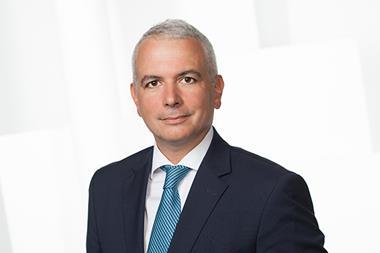




The death of Mark Mobius, widely regarded as a pioneer of emerging markets investing, on Wednesday 15 April 2026 has prompted tributes from across the global asset management industry.
Mobius, who died aged 89, built a decades-long career identifying investment opportunities across developing economies, helping to shape institutional investors’ approach to emerging markets. He was best known for his long tenure at Franklin Templeton, where he led the group’s emerging markets strategies and became one of the most recognisable figures in global investing.
At Mobius Investments, the firm he set up a couple of years ago, partners John Ninia and Eric Nguyen will assume leadership responsibilities. The firm will continue to operate without changes to its investment approach or day-to-day operations.
Father of emerging markets investing
Often referred to as the “father of emerging markets investing”, Mobius was instrumental in opening up markets in Asia, Latin America, Eastern Europe and Africa to international capital. His investment philosophy, centred on on-the-ground research and a willingness to take calculated risks in less-developed markets, influenced generations of portfolio managers and asset owners.
In a statement, Jenny Johnson, chief executive officer of Franklin Templeton, highlighted both his professional impact and personal qualities.
“Mark wasn’t just the father of emerging markets. To my family and me, he was a dear friend,” she said. “His professional legacy is extraordinary, of course. Mark opened the world’s eyes to emerging markets and inspired generations of investors to think more globally, more boldly and with greater imagination about what’s possible.”
Johnson added that Mobius “changed how we invest and how we see opportunity across the world”, pointing to his role in embedding emerging markets within mainstream institutional portfolios.

Experience and legacy
Beyond his investment achievements, industry figures have emphasised his role as an ambassador for globalisation in capital markets. At a time when many institutional investors were hesitant to allocate to less-developed economies, Mobius championed diversification and long-term growth opportunities, often travelling extensively to meet company management teams and policymakers.
His career spanned more than five decades, during which he witnessed – and helped drive – the transformation of emerging markets from niche allocations into a core component of global portfolios. Pension funds and other institutional investors increasingly relied on the types of strategies he popularised to enhance returns and diversify risk.
Johnson also reflected on his personal legacy, noting his “warmth”, “endless curiosity” and “sense of adventure”, as well as his generosity with time and advice.
For institutional investors, Mobius’s legacy lies not only in performance but in the structural shift he helped bring about in asset allocation frameworks. Emerging markets, once considered peripheral, are now firmly embedded in strategic portfolios – a shift many in the industry attribute in large part to his influence.
His death marks the passing of one of the most influential figures in modern asset management, whose impact on global investing is expected to endure for generations.