





The outgoing CEO of Finnish pension fund lobby group TELA tells Rachel Fixsen she leaves happy with the latest pensions reform, but sees more on the horizon
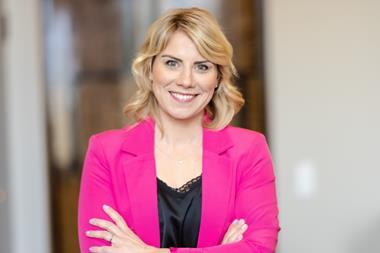
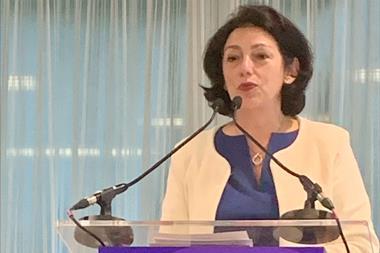
When Suvi-Anne Siimes became the face of TELA back in 2011 as the Finnish pension fund lobby group’s new chief executive officer, she was already well known in the Nordic country from her days as a politician.
Set to leave the industry association this summer, she admits that being recognisable and having a popular reputation helped TELA’s visibility – crucial in its work representing members’ interests with policymakers and stakeholders. Still, TELA’s expertise did the heavy lifting, she says.
“We have been able to use my reputation as a carrier, but what we’ve done is we’ve had something to carry into society,” she tells IPE in an interview.
“Visibility itself is worth nothing, but it’s worth a lot if you have a trustworthy, very thoroughly thought-out message to bear,” she says.
Looking back over her 15 years at TELA, Siimes says the most valuable achievement for her and the Helsinki-based organisation has been increasing its level of expertise.
“I feel I have achieved many things together with my colleagues, but I have also been able to recruit very good people here, and the people who’ve had a longer career at TELA than me have also been able to learn new things and perform very well in those new tasks,” she notes.
‘Perfect intellectual challenge’
A former chair of Finland’s Left Alliance, Siimes was the Nordic country’s finance minister from 1999 to 2003 in the government of Paavo Lipponen. Before her political career, she taught at the University of Helsinki and had been planning a career as an economics researcher.
“After politics, I went into the research-based pharmaceutical industry here in Finland,” she recalls. Siimes was CEO of Pharma Industry Finland from 2007 until she came to TELA.
“I learned my ways of executing and leading organisations there, and why I was then willing to change to the pensions industry was maybe more related to the fact that my professional background is as an economist,” she says.
“Pension funds are economically interesting creatures which have very deep social relevance and very interesting long-term aspects hidden inside them, and that was the perfect intellectual challenge for a person trained as an economist,” she continues.
“And I think this industry has given me a lot precisely in that sense because it also nurtured my interests from youth, which were economics and social science. That was the thing that attracted me when they [TELA] started discussions with me,” she says.
“When we’re aiming for higher returns via higher risk-taking capacity, it’s very good to have a cleaner solvency reform coming into effect”
Suvi-Anne Siimes, outgoing CEO of TELA
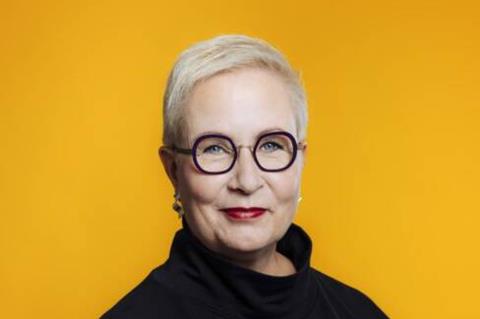
Advocating for TELA’s members – Finland’s pensions giants Keva, Ilmarinen and Varma, along with all other insurers providing statutory earnings-related pensions – has involved protecting their interests during two major reform processes.
These have changed the pensions investment landscape, from the national solvency reform – inspired by the EU Solvency II directive – which took effect in Finland in 2017, to the latest Finnish pensions reform that was launched by the new government of prime minister Petteri Orpo in 2023, and is going to parliament in March.
No to automatic stabilisers
That reform will change solvency rules for the private sector earnings-related pension providers, allowing them to invest more in equities – with the aim of increasing returns and therefore reducing the need for higher contributions.
“I’m very happy with the end result of this reform,” the TELA CEO adds. “I think a very well-functioning part of the reform is how we changed the solvency rules – and that went very well.”
However, Siimes was a vocal critic of an early proposal for automatic stabilisers to be introduced – a mechanism that could have meant reining in potential increases in pension payments.
In the final version of the reform, trade unions and employers agreed to have only a very small automatic stabiliser that affected indexation in some specific situations.
“Why I think that was a good end result is that when we’re aiming for higher returns via higher risk-taking capacity, it’s very good to have a cleaner solvency reform coming to parliament and then coming into effect – so we’re able to see what the end result of this higher risk-taking capacity is,” she says.
“I was also against the idea of simultaneously introducing a new element in that part of the pension system that actually affects people, because that would have created a negative stamp on the solvency reform.”
Having weathered criticism initially for opposing the automatic stabilisers idea, Siimes says the strength needed to speak her mind derives from a commitment to what TELA is doing.
“When you believe in something you’re doing, that also gives you courage from time to time to give your opinion on something – if you know deeply inside you are working in the interests of your members,” she notes.
“I also think that to be a good lobbyist, to be able to influence not only the system-making but the thinking that comes before the politicians or the government officials start to make decisions, you have to be a bit ahead of your time every now and then.
“Because that’s the only way either to show direction – or to show that really one ought not to go in that direction,” she says, adding: “So I think you have to have a broader set of views than the official position of your organisation.”
One major reform may be nearing completion, but Siimes sees more system change on the horizon in Finland.
“Looking at our industry and the financial position and shape of the Finnish pension system as such, I don’t think we need any further reforms, but taking the miserable condition of Finnish state finances into consideration – I think the political pressure for the next reform is already piling up,” she says.
The pressure is coming from the need to lengthen working lives, coupled with weak state finances, she says, but points out that there are other factors affecting the length of working lives besides pension age – such as school and university leaving ages, periods of unemployment as well as phases spent at home rearing children.
“This idea of prolonging the span of an individual’s working life is going to be crucial for Finnish state economy,” she adds.
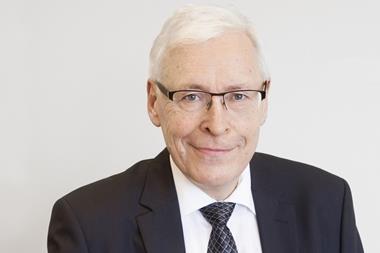
In May, Siimes will be succeeded as TELA CEO by Saara-Sofia Sirén – a Finnish member of parliament currently chairing the Grand Committee, which is responsible for EU affairs.
Having decided she has led TELA for long enough, Siimes also picked this summer as a good time to bow out because of the organisation’s near-term future.
“It gives my successor enough time to leave her signature on how TELA is going to influence the next elections, which are taking place in spring 2027 – and influence the government programme that will be negotiated after that,” she says.
“You can’t come to this job when it is a table already laid with everything on it – you have to have the ability to make your own mark on it,” Siimes adds.
As for her immediate plans after TELA, Siimes says she is determined first to take a “proper summer vacation and just be free and rest”.
After that, she would most like to become a board professional.
“I already have expertise in that area, having been on the boards of big state-owned companies for many years, and then on the boards of smaller and larger private companies both here in Finland and abroad.
“If my dreams came true, that would be the nicest thing that would happen to me,” Siimes says.