
Germany’s €1.7bn Pensionskasse Rundfunk, the occupational pension fund for employees of the country’s public broadcasting corporations, is launching a new automatic enrolment plan targeting workers in the film, TV, and streaming industries.
From 1 July, the plan will be extended on a mandatory basis to employees in production departments across public and private broadcasters, streaming platforms, and cinema operators.
Under the new arrangement, individuals signing an employment contract will be automatically enrolled into the fund unless they explicitly opt out.
The measure follows a collective bargaining agreement signed by the producers’ association Produktionsallianz, actors’ union BFFS (Bundesverband Schauspiel e.V.), and service union ver.di.
The agreement enables participation via deferred compensation, marking a significant step toward expanding second-pillar coverage in Germany’s media sector
According to BFFS, the employment contract will include a clause requiring production companies to contribute 4% of the agreed salary to the scheme, with employees matching that contribution.
This joint funding model is designed to enhance retirement security for a workforce often engaged on short-term or freelance contracts and therefore typically excluded from statutory insurance under the Künstlersozialkasse.
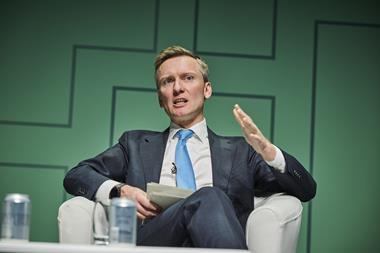
“These contribution gaps are the reason our statutory pensions are so poor,” said Heinrich Schafmeister, board member at BFFS. For professionals in the film industry, Pensionskasse Rundfunk is a cornerstone of retirement provision, he added.
Martin Schrader, chair of Pensionskasse Rundfunk, described the agreement as a “milestone” for protecting workers in the TV and film production sectors from old-age poverty.
“We are proud to be able to contribute to its implementation with our unique occupational pension plan model. This solidifies our position as a partner for employers and filmmakers in the industry,” he added.
Gunnar Juncken, who heads the occupational pensions working group at Produktionsallianz, stressed the importance of strengthening the sector’s social framework to attract talent.
“Our industry must be attractive to skilled workers and young talent, this is the only way to remain viable for the future,” he said, also calling for a clearer legal framework and reduced administrative burden in workplace pensions.
Although auto-enrolment via collective agreements and salary sacrifice has been permitted in Germany since 2018, participation in second-pillar pensions remains voluntary.
Industry stakeholders continue to press for broader reforms, including default enrolment mechanisms at company level, to expand coverage.
The latest digital edition of IPE’s magazine is now available