




Swiss pension funds are exploring private debt as a potential source of returns amid persistently low yields on domestic bonds, although scepticism about the asset class remains strong.
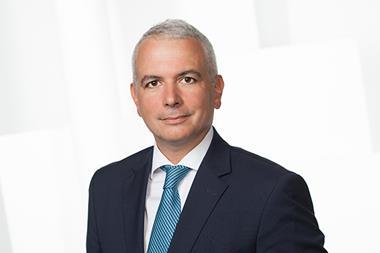
Romano Gruber, team leader for asset manager selection and illiquid assets at PPCmetrics, said interest among Swiss pension funds is “currently not immense”, but some are considering allocations.
The persistence of low interest rates on Swiss bonds increases the pressure to tap into new sources of return, he said, adding that demand could rise again as it did during the previous low-rate phase between 2015 and 2021.
At present, PPCmetrics is observing a stronger interest in real estate investments from pension funds.
The CHF4bn Swiss Siemens Pensionskasse is assessing whether to expand its private debt universe to include direct lending for small and medium-sized enterprises, chief investment officer Claudio Ciapponi told IPE.
The fund currently invests in senior secured loans through a fund structure to maintain liquidity.
“We view investments in this asset class as a diversification of our investments in nominal assets, and as a replacement for listed high-yield bonds. Another reason for the investment is the high underlying interest rate,” Ciapponi explained.
“We view investments in this asset class as a diversification of our investments in nominal assets, and as a replacement for listed high-yield bonds”
Claudio Ciapponi, CIO of Siemens Pensionskasse
Most Swiss pension funds investing in private debt focus on corporate direct lending or more liquid bank loans – the most established market segments, offering broader product availability and comparatively lower risk, Gruber noted.
Baloise Anlagestiftung für Personalvorsorge, the investment foundation of insurer Baloise, has begun raising capital from Swiss pension funds for a new corporate direct lending strategy hedged in Swiss francs. The first closing is planned for the first quarter of 2026 with a minimum investment of CHF500m (€541m).
According to Marco Durisch, business development manager at Baloise Asset Management, the strategy targets especially small and medium-sized pension funds seeking alternatives to Swiss franc-denominated bonds in the low-rate environment.
“Investment groups of a Swiss investment foundation (Anlagegruppe) in private debt carry tax benefits and are interesting from a cost perspective, especially for small and medium-sized Swiss pension funds,” he told IPE.
Durisch added that interest from pension funds has been strong and that Baloise expects continued growth of private debt allocations in their portfolios.
Larger pension funds, meanwhile, could diversify further into mezzanine, special situations or venture debt to broaden their opportunity set, Gruber said.
Scepticism remains
Not all Swiss pension funds are convinced. Pensionskasse Manor, the pension fund of the Swiss retailer, avoids private debt as it already invests in infrastructure, private equity, hedge funds and foreign real estate.
“We do not want to over-diversify our portfolio. Furthermore, we are sceptical about the liquidity and pricing of private debt in stress scenarios,” said chief executive officer Martin Roth.
Veska Pensionskasse, the €1.9bn pension fund for employees in the health sector, has also excluded private debt from its strategy. It cited the Basel III reforms, which require banks to strengthen equity capital, as an indication that previous private debt returns may have been too high and that risk was not adequately reflected.
Risks are clearer with Basel III, and expected risk-weighted net returns are less attractive, according to Veska.
PK SBB, the CHF19bn pension fund for the Swiss federal railways, is also among those avoiding the asset class.
The latest digital edition of IPE’s magazine is now available