
Reform of Germany’s third-pillar private pension system is set to reshape the domestic market.
The introduction of individual savings accounts from next year will open the market to new entrants offering low-cost products without capital guarantees.
DWS expects “maximum competition” from mutual fund providers, neo-brokers not yet active in pensions, as well as direct banks, branch banks and insurers, all targeting the roughly 15 million Riester contracts set to be replaced.
Private financial assets in Germany exceeded €10trn last year, according to DZ BANK, yet more than 80% of the population still does not invest in capital markets.
The shift to new personal pension products is expected to transform the retirement advice market, with greater use of digital tools, artificial intelligence and hybrid advisory models combining human and digital services.
The reform is also likely to have implications for occupational pensions, which remain constrained by high costs and, in the case of defined contribution (DC) plans, by social partner agreements and low take-up rates.
Against this backdrop, small and medium-sized enterprises are backing mandatory occupational pensions, particularly to improve outcomes for low earners.
Meanwhile, cost pressures and increasing regulatory requirements are pushing Pensionskassen to pool assets to access specialised investment strategies, as well as to consolidate or outsource operations.

Pension funds sponsored by DAX companies are also reassessing investment strategies, increasing allocations to private markets and adopting more targeted hedging amid geopolitical and market uncertainty.
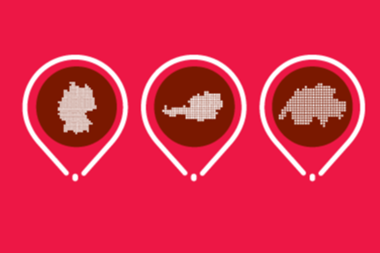
In Switzerland, the supervisory authority Zentralschweizer BVG und Stiftungsaufsicht (ZBSA) has suspended the board of trustees of Tellco Pensionskasse, appointing WTW as administrator to restore governance and decision-making.
In Austria, VBV will not extend the contract of Günther Schiendl, board member of VBV Holding and chief executive of its Pensionskasse, beyond 2026, as it merges the investment divisions of its pension funds.
Items to note:
- The IPE Real Assets Infrastructure & Natural Capital Global Conference & Awards 2026 is taking place on 17 and 18 September in Munich.
Luigi Serenelli
IPE DACH Correspondent
This news briefing was published earlier in the week. If you would like to receive it regularly, on your IPE profile, go to My Newsletters and select any from the list.