
Austria’s occupational pension reform could significantly expand second-pillar participation and shift provident funds towards longer-term, higher-return investment strategies.
The National Council approved the reform yesterday following the go-ahead from the labour and social affairs committee last week.
The reform will enter into force in January 2028, giving all 4 million employees in Austria the option to build up a supplementary pension by transferring severance payments held in provident funds (Vorsorgekassen) to a pension fund (Pensionskasse) tax-free.
Currently, about 1 million employees have the option to transfer severance payments.
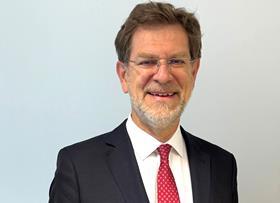
Andreas Zakostelsky, chair of the pension funds association Fachverband der Pensions- und Vorsorgekassen, said at a press conference today that 10-20% of employees are expected to switch to a Pensionskasse in the first and second years after the reform enters into force.
Within five to 10 years, 70-80% of employees are expected to opt to transfer their severance payments to a Pensionskasse, Zakostelsky added, highlighting the importance of long-term returns in encouraging people to invest in pension funds.
Barbara Eibinger-Miedl, state secretary at the Austrian Federal Ministry of Finance, said higher returns could be achieved through new investment pools without guarantees in provident funds, another key element of the reform.
“The interest among younger people to invest on the capital markets will continue to grow in the coming years,” Eibinger-Miedl added.
Allocation shifts
Zakostelsky said provident funds had generated average annual returns of 2-2.5% over the long term, arguing that returns could double to 5% a year through investment pools without guarantees.
The reform will “change drastically” the investment strategies of provident funds because of the “advantage of being able to operate over the long term” without the possibility for employees to withdraw the capital early, Zakostelsky said in response to a question from IPE.
The new legal framework for investment pools in provident funds is also very similar to that of Pensionskassen, which invest 40-50% of their assets in equities, he said.
“Something in this order of magnitude is certainly conceivable [for provident funds] too”, Zakostelsky added.
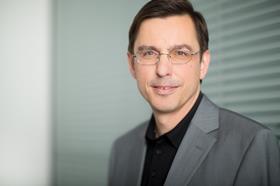
Gerald Moritz, managing director of Moritz Consulting, told IPE he expected a strategic realignment of provident-fund investment pools towards existing lifecycle models used by Pensionskassen, since most provident funds are owned by Pensionskassen.
Tax-free benefits from employee contributions, combined with the option to withdraw capital under certain circumstances, will lead to an increase in employee contributions and therefore an inflow of funds into the second pillar, Moritz added.