




Funding ratios of Germany’s largest corporate pension funds reached a record high in the first half of 2025, despite significant market volatility triggered by US-imposed trade tariffs.
Pension funds sponsored by companies listed on the DAX index saw their average funding ratio rise to 87.1% in the first half of the year, up from 82% at the end of 2024, according to WTW’s German Pension Finance Watch for Q2 2025, which was published today.
Corporate pension funds of firms on the MDAX index followed a similar path, with funding ratios improving to 79.9%, compared with 74.5% at the end of last year.
The rise in funding levels was driven in part by a decline in pension liabilities, which fell by around 4% to €305.5bn for DAX companies and to €57.5bn for MDAX companies.
This development was underpinned by a sharp increase in discount rates, following a substantial rise in long-term interest rates spurred by the German government’s investment programme.
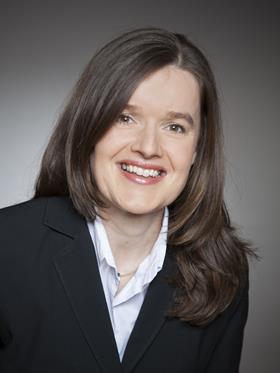
“The significant interest rate increase in spring was largely driven by the government’s €900bn investment package. The discount rate, in particular, benefited from this – significantly more than expected at the beginning of the year,” said Hanne Borst, head of retirement at WTW.
The surge in discount rates – more than 40 basis points in March – came in the wake of a historic agreement on a €500bn special fund (Sondervermögen), which added to Germany’s public debt but also boosted long-dated government bond yields.
Pension assets grew steadily over the period, increasing by 2% to €266.2bn for DAX companies and by 3.3% to €45.9bn for MDAX firms, WTW reported.
Active investment strategies and diversified portfolios contributed to the improvement in funding levels, according to the consultancy.
“Professional [asset] management can be effective even under challenging conditions. Companies that have positioned pension plans strategically, and [with a] diversified portfolio, secure their employees’ long-term occupational pensions,” Borst added.
German corporate pension funds have also sought to shield their portfolios from economic and geopolitical shocks by increasing allocations to fixed income.
“The pension funds have overcome the [turbulent] phase well. The market now seems to have adjusted to the unpredictable US politics. Volatility has decreased noticeably,” said Johannes Heiniz, senior director of retirement at WTW.
The latest digital edition of IPE’s magazine is now available




.jpg)