
Italy’s second-pillar pension scheme for employees of utility companies, Fondo pensione Pegaso with assets worth €1.6bn, has warned that a prolonged conflict in the Middle East could affect portfolio performance through higher inflation and energy prices.
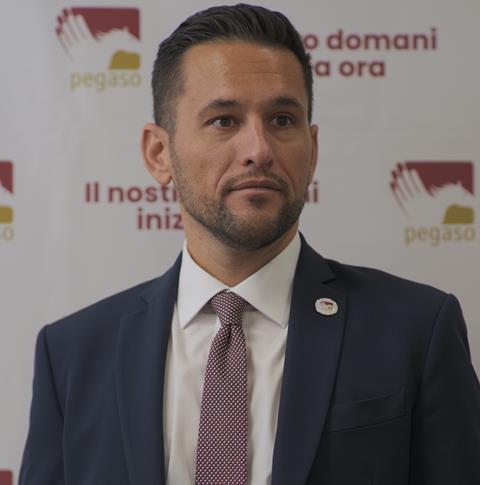
The pension fund’s portfolio is globally diversified, but the war waged by the US and Israel against Iran – which has spilt over across the region and affected markets globally – could have significant repercussions for asset management, head of finance Alessandro Ferretti told IPE.
Oil prices and equity markets are continuing to fluctuate amid uncertainty over the US administration’s objectives and the potential duration of the conflict.
If the conflict becomes protracted, Ferretti said the most significant implications are likely to stem from oil prices, which could affect European and potentially Asian industrial production. In the short term, he added, the energy sector and the Asian consumer goods sector are among those most directly affected.
While short-term risks can be absorbed relatively quickly, a continuation of hostilities in the region could weigh on portfolio performance for the rest of the year, he noted.
Pegaso’s globally diversified portfolio offers protection against losses in individual geographic areas, although it holds a significant allocation to European government bonds.
“Therefore, if the conflict were to drag on for months, the portfolio could be penalised by a return of inflation and thus a possible intervention by the European Central Bank to raise interest rates,” Ferretti explained.
This, in turn, could lead to a situation similar to 2022, when central banks raised interest rates to tame inflation, and both equity and bond markets performed negatively.
“It will be crucial to understand how governments will react to the protracted conflict and what they will do to limit the negative effects of the situation in the Middle East,” he added.
Asset owners focus on concentration risks and equity risk premia
Asset owners are focusing on discipline, maintaining long-term investment objectives and asset allocations while closely monitoring how the geopolitical situation evolves.
A broad multi-asset exposure remains the strongest defence against geopolitical shocks and energy market volatility, but investors should also review portfolios and stress-test potential scenarios, said Garvan McCarthy, Mercer’s chief investment officer for EMEA and Asia.

Asset owners need to consider scenarios involving a sustained period of elevated energy prices and the resulting inflationary impact on portfolios over the medium to long term, he said.
Concentration risks – such as excessive exposure to a particular asset class, economy or region – are another key issue for investors to monitor, he added during a webinar hosted by the consultancy this week on the impact of the Middle East geopolitical situation on global markets and portfolios.
From an emerging markets perspective, the impact of hostilities in the Middle East could be particularly pronounced for economies that are heavily dependent on energy imports and therefore vulnerable to prolonged high oil prices, with India among the most exposed, McCarthy said.
For now, according to McCarthy, asset owners continue to rely primarily on equity risk premia compared with other sources of risk premia.
Mercer’s global head of economics and dynamic asset allocation, Rupert Watson, added: “One would expect so-called safe havens to do reasonably well, and also the dollar to do reasonably well. The US is self-sufficient in energy – that provides some degree of support to the US.”
He added that the yen is not currently acting as a safe haven, given Japan’s reliance on Middle Eastern oil imports, while the Swiss franc offers some defensive characteristics, particularly in a prolonged crisis.