
A soft proposal to increase pensions capital tax contained in a wide-ranging official report on boosting productivity in Sweden has caused concern in the pension sector — not least because of a perceived lack of pensions awareness from the expert panel.
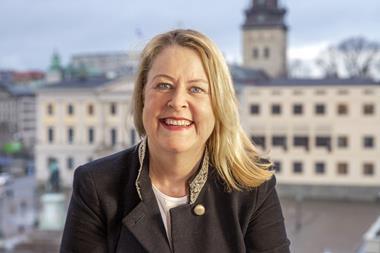
In an interview with IPE, Eva Erlandsson, senior economist at Insurance Sweden (Svensk Försäkring), said: “Pension savings are very complex – we have the public pension system and a well-developed occupational pension system, and there is a lot of symbiosis between them – so we have to be very careful when changing taxes in the system as regards the long-term effects it will have on pension levels.”
“If occupational pension benefits decrease, then the burden on the public pension increases because there are means-tested benefits within the public pension system,” she said.
The Productivity Commission, a panel of experts appointed by the Swedish government two years ago to analyse factors affecting productivity growth and come up with proposals, published its final report last October.
One proposal – given a fairly brief mention in the 660-page report – is to consider increasing the tax on returns on pension capital, with the justification that the relatively low tax currently “favours passive ownership via pension funds”.
The commission also argues that the low tax rate makes it more profitable to exchange salary for pension benefits, thus denting labour supply later in life.
Erlandsson said Insurance Sweden did a simulation to calculate the effect of increasing the tax to 30% from 15%, and found it could reduce a typical worker’s pension by nearly SEK1,000 — a significant proportion compared to the median pension in Sweden of around SEK22,000 a month before tax.
“I’m not sure the Productivity Commission is fully aware of all the elements and interconnections within the pension system — the public pension and occupational pension.”
“The report covers a lot, and pensions are only a small part of it, but they are suggesting quite large changes within the system. I’m not sure they fully comprehend all the aspects of increasing the tax,” said Erlandsson.
The report’s reference to pension funds as “passive ownership” also suggested a lack of understanding, she said.
“Pension savings are not passive savings, on the contrary, we argue that they are active savings,” she noted.
“Pension savings are not passive savings, on the contrary, we argue that they are active savings”
Eva Erlandsson, senior economist at Insurance Sweden
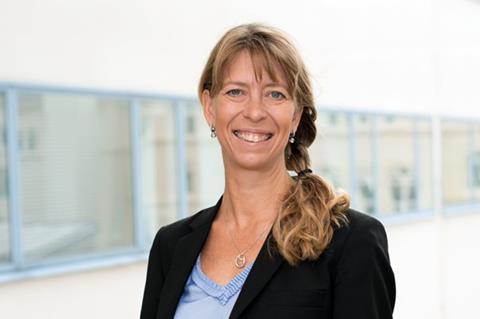
“Life insurance companies and occupational pension companies, of course, aim for the highest returns for their clients and they invest parts of the pension capital in infrastructure, real estate, climate – i.e. exactly what the Productivity Commission wants to achieve in order to increase productivity,” Erlandsson said.
“It seems they haven’t fully understood the investment strategies of life insurance companies and occupational insurance companies,” she continued.
Erlandsson said it is also surprising that the commission posited a pensions tax hike at all, because much of the public debate in Sweden over the last few years has been around pensions being too low.
“So it’s not really consistent with the current discussion taking place in society today,” she added.
Even though the idea of increasing pension capital tax only receives a short reference in the report, and is not a formal proposal, Erlandsson said it is important to publicly point out the difficulties with the proposal at an early stage.
“We have a general election in Sweden this autumn, and there will be a need for any future government to search for sources to finance reforms and other public expenditure.”
“As life insurance companies and occupational pension companies invest large amounts of capital, a tax rise on that capital may, in the short term, seem to be a simple way to improve the state budget,” she said.
“So we have to be very clear now, and state that this is not the right way forward if you want to increase productivity in Sweden; this is the wrong path if you want to reach this goal,” she stressed.
“Pensions are long-term, both from an investment perspective and from the individuals’ savings perspective, so it’s important that policymakers avoid kindling uncertainty here.
“Life insurance companies and occupational pension companies invest a large proportion of their capital long-term, and if conditions change, it then creates a lot of uncertainty for their investments.”
She continued: “Also for the individual – if I’m planning for my retirement within the next five, 10, or 15 years and then the tax on my savings is increased, will then my savings be enough?”