
Dow Chemical has consolidated its German occupational pension arrangements, introducing a single, streamlined structure for new hires and shifting towards broader auto-enrolment to boost participation.
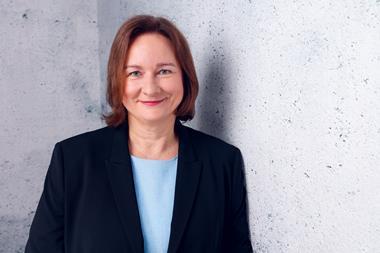
The company, which employs 3,500 people in Germany, now offers new staff a two-track structure: a ‘Direktzusage’ for employer-funded contributions and a ‘Direktversicherung’ for employee deferrals, Thomas Kruse, director of retirement and head of general consulting at WTW, told IPE.
The other ways to offer occupational pensions – Direktzusage, Direktversicherung, support fund (Unterstützungskasse), Pensionskasse and Pensionsfonds, administered by WTW – still function but only for older employees.
New employees joining any German Dow site from this year are automatically enrolled on the Dow Pension Plan (DPP), which replaces the previous patchwork of arrangements.

Existing employees can switch to the new structure from January. The shift to auto-enrolment is expected to significantly raise employee participation.
The DPP comprises four sub-plans – DPP Base, DPP Smart, DPP Top and DPP Plus – funded either by Dow or by employees.
“With DPP Base, the employer’s contributions accrue interest according to the yield of corporate bonds,” Kruse said.
Employee-funded sections of the plan, managed by Allianz, use two investment approaches. Younger employees are placed in a dynamic hybrid insurance product, while older staff follow a more conservative strategy, he said.
DPP Plus is structured as a technically one-year, reinsured direct promise, allowing Dow to avoid setting aside commercial balance-sheet reserves or maintaining vested entitlements for departing employees.
Dow and its works council have also agreed future changes enabling the investment of monthly pensions.
Rationalising a fragmented landscape
German corporates often struggle to rationalise legacy pension arrangements due to legal constraints and the need to protect accrued rights. Dow’s overhaul took two years and pushed consolidation as far as legislation allows.
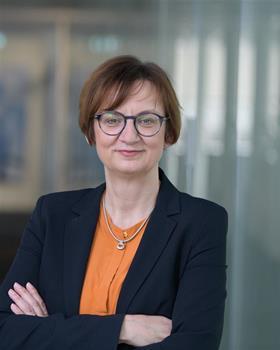
“For us, occupational pension has a strategic meaning. We conduct total rewards surveys regularly and the pension plan is high in the rankings – the priority for employees,” Hanna Sitzler, Dow senior project director, Germany, told IPE.
She noted that the old structures were no longer aligned with market conditions, particularly given the sharp rise in interest-rate risk.
The redesign aims to cut administrative burdens, offer a more modern product and provide employees with a clearer, more accessible pension structure.
“We wanted the same pension plan for all. We have decided on a new pension plan when an employee starts with Dow, regardless of the locations,” Sitzler said.
Employees can increase or decrease contributions every year, so that all can contribute to the pension plan for as much as required to build up pension capital, she added.
The latest digital edition of IPE’s magazine is now available