




Ireland’s sweeping pension consolidation drive can deliver greater stability and efficiency but must protect members during the transition, according to Petra Hielkema, chair of the European Insurance and Occupational Pensions Authority (EIOPA).
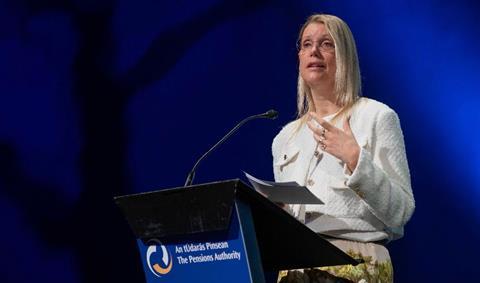
Speaking at the Pensions Authority Conference in Dublin this week, Hielkema described Ireland’s consolidation programme as “the most significant consolidation wave Europe has ever seen”.
Following the expiry of the derogation for one-member arrangements in April, tens of thousands of smaller pension funds are expected to wind up and consolidate, reducing the number of schemes in Ireland from more than 160,000 to “just a few hundred”.
“This is a positive development that can bring greater stability and efficiency to the sector, with tangible benefits to members and beneficiaries,” Hielkema said.
“But we should also recognise that it represents a major transition for scheme trustees and sponsors, members, providers and the Pensions Authority alike.”
Hielkema said member interests needed to be protected as schemes consolidate, while governance remained strong and risks were properly managed.
“One of the key challenges will be maintaining trust during and beyond this transition,” she said, adding that clear and timely communication would be essential to help members understand what was happening and the potential impact on savers.
Hielkema also highlighted the importance of scrutiny of costs and charges as consolidation into master trusts, large group defined contribution schemes and personal retirement savings accounts gathers pace.
“With the ongoing consolidation into mastertrusts, large group [defined contribution] DC schemes or Personal Retirement Savings Accounts, rigorous cost and charges scrutiny has never been more critical to ensure members and beneficiaries receive fair value for the services provided – another key aspect of fiduciary duty,” she said.
She also stressed that trustees’ responsibilities extended beyond simply winding up schemes that could not comply with the new requirements.
“When schemes cannot comply, their fiduciary duty isn’t just about winding up and consolidating – it’s about finding a compliant solution that also focuses on achieving the best outcomes for members,” Hielkema said.
She noted that Ireland’s new authorisation regime would provide additional assurance for members, while urging schemes to begin preparations for the changes.