




The leader of Finland’s biggest pension fund says more backing and participation are needed from the government and other parties to boost investment in growth companies and large infrastructure projects – if the Nordic country is to achieve much-needed economic growth.
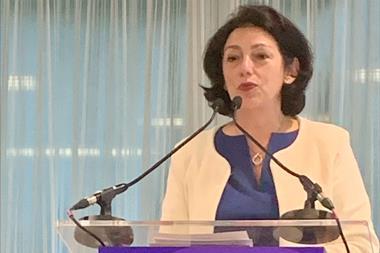
In a blog on Keva’s website, Jaakko Kiander, the chief executive officer of the €76bn pension fund for the municipal and other sectors, said the Finnish economy had been mostly in recession since 2009 – and there were no signs of growth accelerating.
He wrote: “Growth critics believe that this may be a good thing, but the lack of growth has gradually led to a situation where there are many unemployed people, public finances have run into debt problems and social debate is dominated by an unpleasant argument about who will get the most cuts.”
Kiander critiqued a series of articles published at the end of March by the Finnish Innovation Fund (Sitra) on opportunities for achieving sustainable growth in Finland, which he said advocated more research and development support, investments in growth-stage companies and education, as well as more work being undertaken.
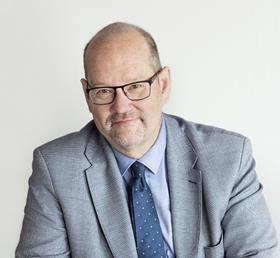
“It is easy to say that more work should be done,” he said, adding that this was not so easy in practice, because there were many more unemployed people than open jobs.
The authors of the Sitra’s articles focused on long-term structural factors and ignored the weak domestic demand that he said had plagued the Finnish economy for years and the unemployment rate, which had risen to the highest in Europe.
“Productivity growth requires investments, and Finland has long been short of these,” Kiander noted.
In order to finance investments, not only were better incentives needed for private ownership, but also for Finnish earnings-related pension funds, the CEO said.
“In recent years, earnings-related pension institutions have become more active as investors in growth funds,” he added.
“More could be done, but this would require the development of the fund sector in the case of growth companies and, on the other hand, the activation of the government and other partners in the case of large infrastructure projects,” the Keva CEO wrote.
The way of thinking around this was changing worldwide, he said.
“Since the 1980s, it has been customary to think that growth will be managed and investments will come as long as the markets are free,” he continued.
“With the rise of China and, most recently, the war in Ukraine, thinking in both the US and Europe seems to be changing in a direction that emphasises protectionism, defence investments, security of supply and active industrial policy,” he said, adding: “It remains to be seen how these changes will affect our own national strategy.”