




Several US and UK asset managers have won mandates in the Swedish Fund Selection Agency’s (Fondtorgsnämnden, FTN) biggest procurement, gaining a slice of the SEK200bn (€18.7bn) actively managed global equity funds category in the premium pension system for the first time.
Announcing its award decision this morning in the procurement process launched in November 2024, the Tumba-based authority said it had selected 14 global equity funds as the new official offering on the defined contribution (DC) premium pension system’s funds platform, out of the 99 tenders it received – meaning a reduction in funds offered from 45 currently.
The FTN said six of the funds it has chosen had previously been available on the fund platform and eight were new, adding that the award decision meant approximately SEK200bn of premium pension savers’ funds would now be distributed to the procured funds.
Mats Dillén, FTN chair, said: “The interest in participating in the procurement has been exceptionally high, which has given us very good conditions to identify, in the evaluation, the funds that best comply with the mandatory requirements,” adding that all procured funds were of high quality and now being offered to savers at attractive fees.
In its procurement report, the agency said the average annual fee for funds in the category had been reduced by 50%, to 0.186% from 0.371%.
UK and US managers feature particularly in the list of providers new to the platform, which includes Threadneedle Asset Management, FIL Investments International, JP Morgan Investment Management, Jupiter Investment Management, BI Asset Management, Robeco Institutional Asset Management and Schroder Investment Management.
Meanwhile, AMF Fonder, Carnegie and Swedbank Robur Fonder are among the successful firms in the FTN’s procurement, which were already offering funds on the existing funds marketplace.
Erik Fransson, executive director of the agency, said: “The fund offering prior to the procurement was outdated and has delivered weak returns historically.”
In an interview, he told IPE: “We wanted a large amount of tenders,” adding that the volume of applications received had been evidence that the FTN had done a good job communicating with a global audience.
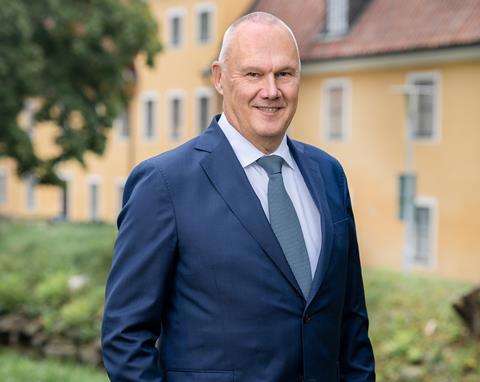
“Being a new organisation, having a new brand, we’re not that widely known, and another important element in attracting the best asset managers is the big ticket sizes,” he said.
“We decided 14 was the right number of mandates to offer in this category because we wanted a large number of funds – but we also need to keep it limited enough so that we get the best possible quality,” he noted.
The fact that eight of the 14 funds chosen are new to the premium pension funds platform shows the old universe was not very competitive, Fransson continued.
“A big change when it comes to the number of funds in a category means you will have quite a different offering, and it’s good sign that we were able to procure many new funds. More than 50% of the volume of savings in this category will find a new funds company,” he said.
The old system did not have any quality controls and made it hard to attract high volumes, he added.
“Some managers listed funds on the platform knowing that it wasn’t their most competitive product. It just wasn’t really set up to work like that,” he said.
“When they launched the system 25 years ago, the politicians thought competition would work – but history has shown it didn’t and there have also been fraudulent actors too,” Fransson said.
He stated that the FTN was continuously learning from its procurement work to repopulate the premium pension funds marketplace platform with quality-assured funds.
“The process in the office is we look at how processes have gone and whether lessons can be learned, how we can ask questions differently and so on. We change all the time. I think we are at a high level now and I’m very happy that it’s worked so well,” he said.
In the three years to September 2024, he said the new universe of funds procured by the FTN has been shown to have average annual returns of 8.8% – more than 300 basis points above the 5.5% average return of funds in the old universe.