
The total portfolio approach (TPA) to investing is not just a framework, but “a methodology and a mindset,” according to a new paper.
Published by the Chartered Alternative Investment Analyst (CAIA) Association and developed in collaboration with WTW’s Thinking Ahead Institute (TAI), the report is described as delivering “the first grounded look at how TPA is and has been implemented in practice”.
A dozen asset owners are featured in the report, including Alaska Permanent, APG, CalPERS, CPPIB, Future Fund, NZ Super, Railpen, and Universities Superannuation Scheme.
The new publication builds on a 2024 CAIA Association paper that defined the core dimensions of TPA and, according to the CAIA, “ignited conversations in every corner of the investment world and quickly became a source of insight far richer than we anticipated”.
Roger Urwin, one of the pioneers of TPA thinking and practice, said the TPA “isn’t just another investment method – it’s governance reimagined through a systems lens”.
“SAA offers comfortable governance but clunky portfolio management. TPA flips that by bringing efficiency to portfolio design but requiring a stretch in governance.”
Detailing how investors can transition their organisations from strategic asset allocation (SAA) to TPA, the new report is split into three main sections.
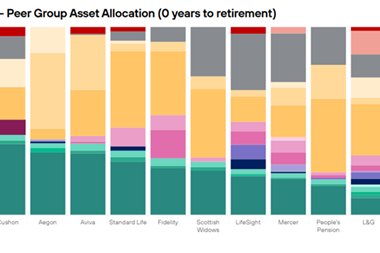
A first identifies the common phases and milestones in a transition from a pure SAA framework to a pure TPA framework. The second section reveals some of the portfolio impacts of adopting a TPA approach, such as a greater tolerance for illiquidity and a willingness to tolerate higher tracking error to a reference portfolio rather than a strategic asset allocation, especially when compared to peer groups.
The third section is about “putting the TPA mindset to work”, offering a contextualisation framework for those investors ready to move from interest in TPA to taking action to adopt it.
In a statement about the report, the CAIA Association said the new report captured an inflection point.
“With private and public markets converging, geopolitical and inflationary pressures rising, and institutional investors facing the mandate to do more with less, TPA is no longer just an option to consider,” it said. “The conversation has shifted from ‘What is TPA?’ to ‘How do we begin?’,” it added.
CAIA Association became a partner of TAI last month.
The latest digital edition of IPE’s magazine is now available