




At its recent annual general meeting in Melbourne, Qantas, Australia’s national carrier, was lambasted by irate shareholders over a litany of grievances, not least the role of chairman Richard Goyder and the board over what shareholders saw as the mismanagement of the airline.
It was a bruising meeting, the likes of which the airline, once held in high esteem by the Australian public and its investors, had never experienced since its listing on the Australian Securities Exchange in 1995.
Until the AGM in early November, Goyder, a prominent figure in Australian public life and considered by some as untouchable, was quietly confident that Qantas’s largest investors, including the country’s powerful superannuation funds, could be persuaded to trust the board to rebuild the company’s damaged brand. Australian super funds own around 15% of Qantas shares.
But this was not to be. Following weeks of investor protest, Goyder pre-emptively resigned in October ahead of the AGM. There was to be a board renewal.
Renumeration, especially that of former Qantas CEO Alan Joyce, was the lightning rod. An unprecedented 83% of the shareholders voted against the company’s executive pay report.
“The overwhelming vote against Qantas’s remuneration report is a clear indication that investors want greater management accountability,” says Louise Davidson, chief executive of the Australian Council of Superannuation Investors (ACSI).
“The board has the discretion to reduce awards for executives – including the former CEO, Alan Joyce. The vote is a clear signal that the board should apply that discretion judiciously.”
Reputational damage
Joyce left the company abruptly at the end of September, but not before selling 90% of his Qantas shares weeks before it became public that the corporate regulator, the Australian Securities and Investments Commission, was launching legal action against the airline over the sale of 8,000 seats on cancelled flights.
Davidson says: “The reputational damage done to the Qantas brand is a case study demonstration of what can go wrong when short-term profit is prioritised over the long-term sustainability and profitability of the company.”
She adds: “We support the board’s push to reset company culture and governance, and to regain the trust of the Australian public. We look forward to working with the company as the new board develops and executes a plan to re-build value and reputation.”
The A$74bn (€44bn) industry fund HESTA is among the most vocal critics of Qantas. Before the AGM, HESTA met with members of the Qantas board and management to voice concern over Joyce’s remuneration, which was A$21.4m in the 2023 financial year, according to the airline’s annual report.
“We note that the short-term incentives for the FY23 period remain outstanding, and we encourage the board to reflect on the recent experience of shareholders when finalising these,” HESTA said. “Unfortunately, the Qantas board’s oversight of ongoing customer issues and its treatment of workers has been significantly destructive to shareholder value and has negatively impacted HESTA members.”
A lesson from the Qantas AGM experience, notes Davidson, is that a significant shareholder vote in opposition to a board recommendation can highlight the misalignment between the interests of shareholders and the approach from the board.
Further scrutiny
Qantas is not the only big public company to face strong scrutiny from super funds.
HESTA CEO Debby Blakey wrote to the board chair and chief executives of its investee companies outlining four priority expectations ahead of this AGM season.
“HESTA’s 2023-34 active ownership priorities reflect a commitment to responsible investment and engagement for a growing, sustainable and inclusive economy, so that we can continue to deliver strong returns to our members,” she said.
“In the incoming AGM season, companies will be engaged not only in their response to immediate risks and opportunities for performance but also in their efforts to promote a sustainable and inclusive economy, benefiting shareholders, members and all Australians.”
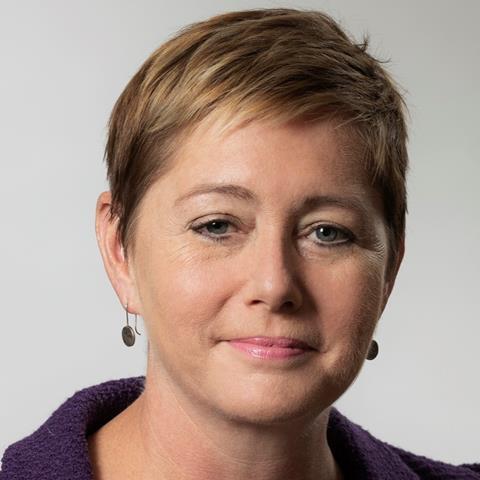
“The overwhelming vote against Qantas’s remuneration report is a clear indication that investors want greater management accountability”
Louise Davidson
According to industry estimates, super funds now own shares valued at some A$60bn in Australia’s 10 largest listed companies, including miner BHP, energy group Woodside, biotechnology firm CSL, Wesfarmers, Fortescue Metals and Westpac Bank.
Aware Super has engaged with 51 companies in the past financial year to ensure outcomes such as transparent disclosure of bonuses and to seek to ensure that performance hurdles are sufficiently challenging. Of 304 remuneration reports the fund considered, it voted against 37.
Liza McDonald, Aware Super’s head of responsible investments, says: “During the AGM season, we talk to companies about resolutions on issues such as remuneration that have been put forward on notice to meetings.
“This follows our year-long engagement approach which is one of the pillars of our responsible ownership strategy. During AGM season, we’re focused on company-by-company engagements, on resolutions such as responsible management and director appointments, whereas, throughout the year, we engage on material issues such as conduct and culture, safety, climate change and biodiversity, among others.”
McDonald says climate transition plans, corporate culture, gender diversity in leadership roles and executive remuneration are among the ESG issues covered in its conversations with companies.
Over the past year, Aware Super has engaged with almost 200 companies directly, and in collaboration with ACSI across more than 300 meetings. “Engagement is one of the pillars of our responsible ownership strategy, and we engage directly, through our fund managers and through industry groups such as ACSI,” McDonald says.
Focus on emissions
Australian Retirement Trust (ART) has flagged its action plan to pressure 88 companies to reduce their carbon footprints, and has set a new net-zero roadmap to cut emissions across equities, infrastructure and real estate investment by 43% by 2030.
In its recent Net Zero 2050 Roadmap, Australia’s second- largest super fund states its intention to actively vote at the annual general meetings of “priority” companies.
Nicole Bradford, ART’s head of sustainable investment, says: “We take seriously our role as an investor, and have outlined activities which aim to support emissions reduction targets by engaging with key stakeholders and encouraging investee companies to achieve real-world reductions towards a low-carbon economy.”
Bradford stresses that engagement and proxy voting as part of stewardship is a fundamental component of this road map.
ACSI’s Davidson says: “Investor engagement does not end with an AGM and investors continue to be focused on risks posed by financially material ESG issues in companies because of the impact they can have on long-term company value.
“Superannuation funds are very long-term investors, so it is important that the companies they invest in are viable and sustainable well into the future. Through active ownership, funds can help make genuine and permanent improvements to the environmental, social and governance practices of these companies, and build value for their beneficiaries.”