







Currency – Page 3
-
 News
NewsSwiss pension fund seeks FX hedging currency provider for CHF1.7bn
Interested managers have until 13 March to participate and the pension fund is looking to start implementation from September
-
 Features
Contrasting global economic growth fortunes
Economic growth patterns across the world paint a picture of contrasts, ranging from surprisingly robust in the US to soft and struggling in China, with the stagnant euro area narrowly avoiding a technical recession after posting zero GDP growth in the fourth quarter of 2023, following a 0.1% decline the previous quarter.
-
 Features
Conflict and elections set to dominate the investor landscape
Middle Eastern tensions are running high, with violence flaring up across the wider region. Combined with the ongoing attritional destruction in Ukraine, this is impacting world trade, and it seems certain that international conflict will continue to be a source of great concern in 2024.
-
 Features
Will delayed economic bad news hit the market this year?
Global economic growth was below potential in 2023, but still markedly stronger than the forecasts had been indicating at the start of the year, with the US leading the way and even the likes of Europe and the UK, though hardly stellar performers, posting better than expected economic activity.
-
 Features
Is the US economy finally heading for a soft landing?
Having come to terms with the higher-for-longer mantra, markets are grappling with ‘higher-for-even-longer’, as US economic resilience continues to challenge expectations of weakness while reducing the prospects for earlier interest rate cuts from the Federal Reserve.
-
 Features
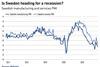
Fixed income, rates & currency: interest rates the big question
In August, when Fitch Ratings downgraded US debt from AAA to AA+, it cited an “erosion of governance” as one of the key reasons for its decision. September’s US government shutdown chaos will probably not have improved perceptions of US lawmakers’ proficiency to govern.
-
 Asset Class Reports
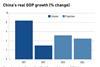
Local currency emerging market bonds are back in the spotlight
Partly thanks to the weakening of the US dollar, local currency emerging market sovereigns are now offering healthy yields, and should continue to perform well
-
 Features
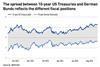
Fixed income, rates & currency: Lean times to follow good summer?
The macro-economic news in the third quarter has been good, with better growth than expected and better inflation data than feared. In the final few months of the year, however, markets may have to deal with the potential for some softer economic news and possibly more negative inflation data, and not just from seasonal factors.
-
 Features
The US dollar’s declining status as a global reserve currency
The recent US debt ceiling negotiations have brought into question the viability of the US dollar’s status as a global reserve currency. Long-term investors have been reviewing their strategic asset allocation away from the currency, seeking to diversify their exposure and to take advantage of long-term investment opportunities.
-
 Features
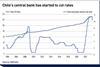
Fixed income, rates & currency: Uncertainty persists
As the major central banks in developed markets reach, or at least near, the end of their hiking cycles, markets, rather than identifying when policy rates will peak, focus is now on the conundrum of just how long these policy peaks will be maintained.
-
 Features
FX in waiting mode after lively 2022
After a long period of muted volatility, currency markets sprang back into action in 2022 as geopolitical risk and diverging monetary policy came to the fore. This year it is quieter, but markets remain rattled over the unpredictable interest rate scenarios. As a result, many market participants are waiting for a sharper picture to emerge.
-
 Features
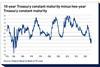
Fixed income, rates & currency: US debt crisis averted – what next?
The US debt ceiling crisis was resolved in June, avoiding potentially major fireworks, with a suspension of the limit until early 2025. This ensures that the next time the politicians have to fight about it will be after the November 2024 presidential election. Although markets were relieved at the temporary resolution, the process of rebuilding the very depleted Treasury cash balances – with some huge bill auctions planned – will drain significant liquidity from the system, which could put pressure on the rates market.
-
 Features
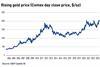
Fixed income, rates & currency: Strong labour markets surprise
Global purchasing managers’ index (PMI) data, which measures the state of the US economy, has been mostly strong, although manufacturing indices have been considerably weaker than services, perhaps reflecting their greater sensitivity to higher interest rates.
-
 Features
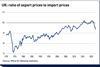
Fixed income, rates & currency: Chill winds prompt caution
Although 2022 was a remarkably bad year for bonds and equities, any hopes that 2023 might illuminate a brighter path have already been dispelled as rapidly changing narratives – from recession to boom to fears of a banking crisis – all tossed and turned stock and rates markets. The result was a remarkably turbulent first quarter.
-
 Features
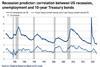
Fixed income, rates & currency: Optimism fades on mixed data
January’s market optimism has been subsiding, as forecasts for inflation and US Federal Reserve policy shift the outlook further to the hawkish side. However, the macro picture is not clear. Markets hang on to every new piece of data to clarify the outlook, be it non-farm payrolls, the consumer price index (CPI) or the US Job Openings and Labor Turnover Survey (JOLTS).
-
 Features
Ahead of the curve: The missing elements in the digital currencies debate
The recent contraction of the cryptocurrency markets poses questions about the viability of digital currency as an asset class for institutional investors. However, these developments have not undermined the efforts of central banks to pursue their own digital currency initiatives.
-
 Features
Central banks and the weaponisation of finance
The US has been a global power since the second world war. But it was during the interval between the collapse of the USSR in 1991 and the rise of China in the 21st century that the US was perhaps the single global hegemon.
-
 Features
From soft landing to no landing
Once again, the US jobs market has shown its capacity to surprise forecasters, if not astonish them. January’s non-farm payroll numbers came in way above consensus forecasts, swiftly reversing markets’ dovish take on that week’s central bank actions, with bond markets handing back much of their earlier gains.
-
 Features
Is the US heading for a soft landing?
Rare though they are in history, a soft landing for the US economy seems to be the consensus forecast, a view aided by news of a sharp contraction in the Institute of Supply Management (ISM) Services Purchasing Managers index in December. The jobs market also looks like it is slowing down and there are signs of a cooling off in wages, with lower-than-expected average hourly earnings reported in December’s non-farm payroll report.
-
 Features
Fixed income, rates & currency: Inflation strengthens its grip
Whereas news of the hostilities in Ukraine may be losing their potential to shock and dislocate the world economic order, inflation news has maintained its powerful hold over financial markets across the world throughout 2022, with many economies recording their highest inflation levels for decades.


