






The Pensions Regulator (TPR) in the UK has published guidance urging trustees to identify and manage potential hidden exposure to artificial intelligence (AI) as the technology becomes increasingly influential across global markets.
While AI has the potential to deliver substantial and lasting productivity and economic benefits, the investment required to develop the technology and related infrastructure is changing global market composition, the regulator said. Companies linked to AI now account for a large share of major stock market indices.
Global private investment in AI rose by 127.5% year-on-year in 2025, more than doubling over the year.
TPR said companies linked to AI are raising significant amounts of equity and debt through diverse financing channels and across multiple jurisdictions. The breadth and complexity of these funding sources could make portfolio risks less visible and leave investors more vulnerable to a market downturn.
As AI becomes increasingly embedded across sectors, even diversified portfolios may carry hidden exposure to common AI-related risks, creating potential concentration risks for pension schemes, the regulator warned.
The guidance aims to help trustees understand and manage these emerging risks. TPR expects all schemes to maintain “high standards” of investment governance and manage risk over the short, medium and long term.
In particular, trustees should assess their total portfolio exposure to AI, including direct and indirect exposure across asset classes, and use scenario analysis to test resilience under severe but plausible market conditions.
The regulator also urged trustees to assess whether diversification would remain effective if correlations between assets changed during a downturn. Trustees should challenge investment advisers and managers on how market developments could affect their schemes’ investments and objectives.
TPR said trustees should take proportionate action reflecting their pension funds’ circumstances.
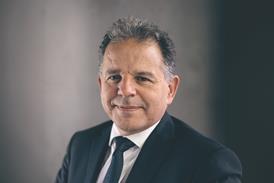
Ben Gunnee, executive director of market oversight at TPR, said: “We expect all schemes to maintain high standards of investment governance and manage risk over the short, medium and long term.
“That is why trustees should assess their AI-related exposure, test portfolio resilience and challenge advisers now to understand how market developments could affect their investments under different market conditions.”